A boiler tube and a seamless steel pipe are not mutually exclusive products. “Boiler tube” describes an equipment duty governed by a product specification, whereas “seamless” describes manufacture without a longitudinal weld seam. A product can be both, but a general seamless pipe does not automatically qualify for boiler service. An enquiry that says only “seamless pipe for boiler” leaves the component, conditions, grade, dimensions, delivery state, inspection, and documents unresolved. Selection must start with the service, move to the product standard, and only then confirm the permitted manufacturing route.
Boiler Tube and Seamless Steel Pipe Are Not Parallel Product Categories
Boiler tube is an application-led term covering water walls, economizers, superheaters, heat exchangers, condensers, and other pressure or heat-transfer sections. Metal temperature, pressure, fluid chemistry, heat flux, erosion, oxidation, and thermal cycling vary between these locations. The product specification translates those conditions into grade, delivery condition, dimensions, tests, and documentation. The relevant boiler tube options must therefore be filtered by the exact service and specification rather than treated as interchangeable.
Seamless steel pipe identifies how a pipe or tube is made. It does not establish the material, elevated-temperature properties, wall basis, or mandatory examinations. The broader seamless steel pipe range serves many duties, so the absence of a weld seam is not evidence of boiler suitability. Seamless line pipe, mechanical tube, or general pressure pipe may be unsuitable even when its grade or dimensions look similar, while a welded tube may be acceptable when the governing standard and approved design permit it.
The comparison becomes clearer when both terms are tested against the same decision fields:
| Comparison factor | Boiler tube | Seamless steel pipe | What the buyer must decide |
|---|---|---|---|
| Classification basis | Equipment duty and product specification | Manufacturing route | Confirm both service category and manufacturing route |
| Possible manufacture | May be seamless or welded where permitted | Always seamless | Do not assume every boiler tube must be seamless |
| Material | Defined by the selected grade and standard | Not defined by “seamless” | State the exact grade and delivery condition |
| Dimensions | Commonly ordered by OD and specified wall basis | May use OD and wall or a pipe dimensional system | Follow the selected product standard |
| Performance evidence | Service-specific properties and examinations | Depends on the ordered specification | Compare test scope rather than product labels |
| Acceptance documents | Defined by the order and inspection plan | Vary with the product standard | Set certificate and traceability requirements before production |
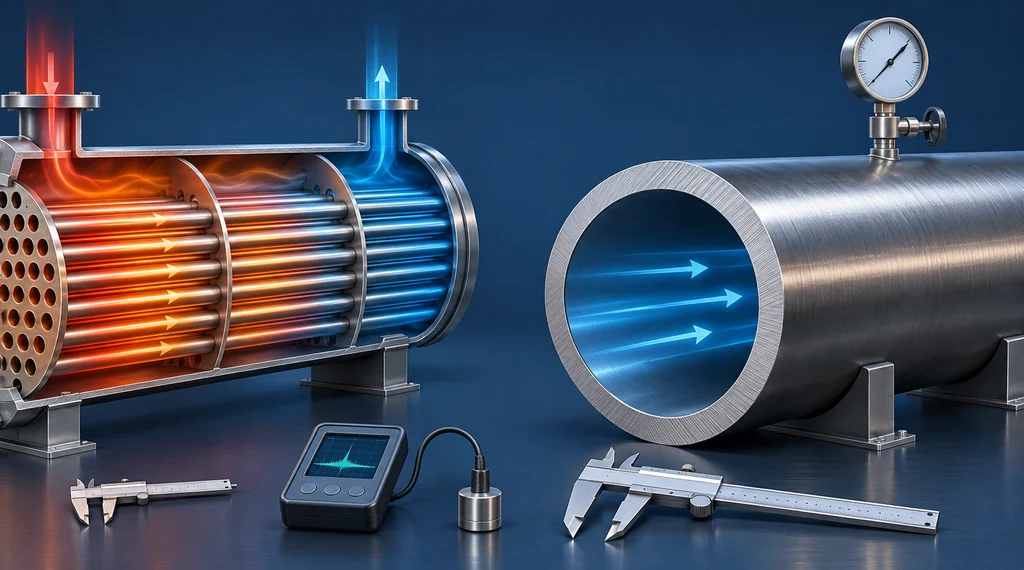
The table shows why “boiler tube versus seamless pipe” is not a simple strength comparison. Seamless manufacture is one field within a complete product definition; it cannot replace the component duty, material grade, dimensional basis, heat treatment, or acceptance evidence.
Start the Selection With the Boiler Component and Service Conditions
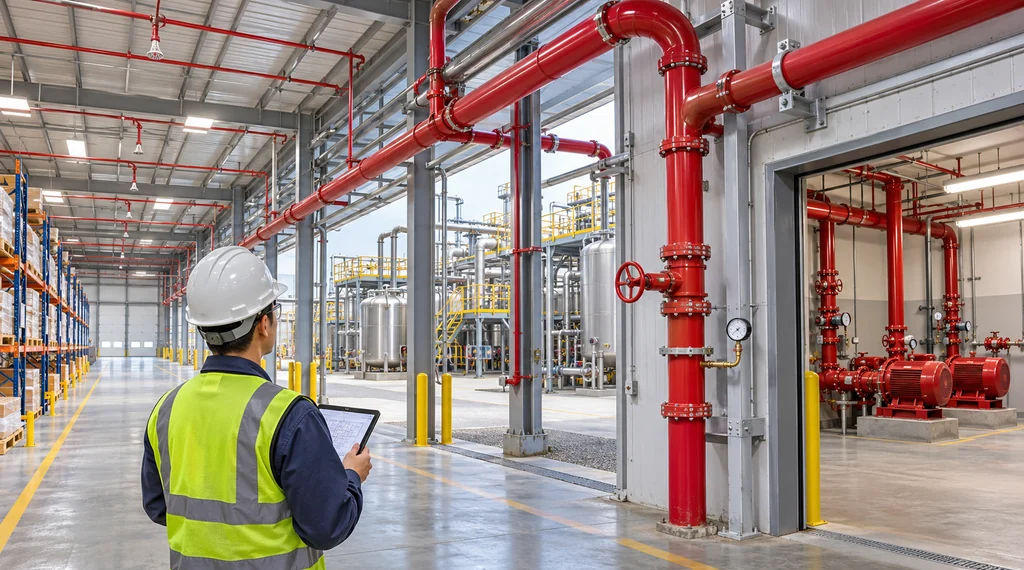
Selection begins with the tube’s equipment location because different boiler sections solve different problems. A water-wall tube, superheater, feedwater-heater tube, and interconnecting pressure pipe may share an installation but require different properties and fabrication controls. The design team must establish pressure, fluid and metal temperatures, chemistry, heat flux, corrosion or erosion allowance, cycling, and intended life. Procurement should transfer these inputs from approved data sheets, calculations, drawings, and specifications rather than infer them from a material label.
Fabrication also influences the choice. Bending, tube-sheet expansion, welding, post-weld heat treatment, cleaning, and inspection access can determine whether a delivery condition remains practical. High temperature may make long-term material behaviour decisive, aggressive water chemistry may increase corrosion controls, and a tight tube-sheet interface may make OD and wall tolerances critical. Together these factors define the evidence the material must provide. If the component, design basis, or governing code is missing, obtain it rather than use “seamless” as a default.
Match the Service Conditions to the Correct Product Specification
The boiler or pressure-equipment code controls design and construction, while the tube product standard controls material, manufacture, dimensions, tests, marking, and documents. Material-standard compliance does not prove adequacy for a particular component; the designer and applicable approval process must make that connection. The purchase order should identify the governing design basis separately from the tube specification.
For projects adopting EN requirements, EN 10216 covers seamless pressure tubes and EN 10217 covers welded pressure tubes. EN 10216-2 addresses seamless tubes with specified elevated-temperature properties, while EN 10217-2 provides an electric-welded route. Their coexistence shows that “boiler tube” cannot automatically mean “seamless.” The order must identify the national adoption, edition, grade, test category, dimensions, and additional project conditions.
ASTM products may appear when an international contract explicitly adopts that system, but scope still matters. ASTM A106 covers seamless carbon steel pipe for high-temperature service, not a universal boiler-tube approval. An ASTM A106 seamless pipe can be reviewed when that exact specification is required, but cannot replace a different boiler-tube standard merely because both are seamless. ASTM A179 covers seamless cold-drawn low-carbon steel tubes for heat exchangers and condensers. Where it is specified, the wall basis, delivery condition, dimensions, and tests must follow it; available ASTM A179 boiler tubes are a product route to examine, not permission to bypass the order.
Decide Whether Seamless or Welded Manufacture Is Permitted
Specify seamless manufacture when the product standard, approved design, or contract requires it. Where several routes are permitted, compare component duty, grade, dimensions, fabrication, examination, availability, and lifecycle risk. “Seamless is always stronger” is not a valid basis because suitability depends on grade, delivery condition, design rules, and verified results. A correctly produced seamless tube can still be wrong for the component if it follows the wrong specification.
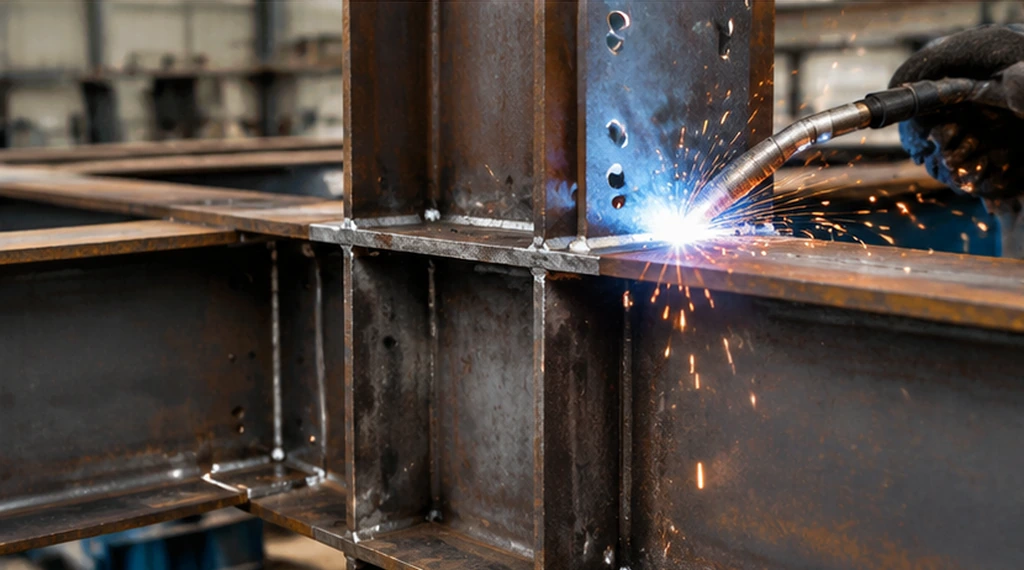
Welded boiler tubes should not be rejected solely because a weld is present. EN 10217 includes welded pressure-tube routes, and under an ASTM contract, ASTM A178 covers electric-resistance-welded boiler and superheater tubes. These routes control manufacture, heat treatment, properties, and testing; they are not unspecified welded pipe. State seamless manufacture when required, document the choice when alternatives are allowed, and handle any proposed change of standard, route, or grade as a formal technical deviation.
Turn the Selection Into an Order and an Acceptance Record
The purchase specification must preserve the complete decision rather than reduce it to a product name. Identify the component, product standard and edition, grade, manufacturing route, OD, wall basis, length, delivery condition, heat treatment, ends, surface, and marking. Also define the inspection certificate, chemical and mechanical evidence, dimensional and surface checks, hydrostatic or permitted nondestructive examination, traceability, witness points, and supplementary requirements. Because test methods and sampling vary, the product standard and approved inspection plan—not a generic checklist—must control acceptance.
This level of detail also prevents a familiar procurement problem: two quotations may use the same broad description while covering different material conditions, tolerances, tests, and inspection documents. Compare quotations on the same technical baseline. Grade, dimensions, delivery condition, testing, and documents determine conformity; packing preferences do not repair an incomplete specification. Normalize different standards, wall bases, test categories, and certificates before comparing price and lead time. A lower price based on average rather than required minimum wall, fewer examinations, or weaker documentation is not a like-for-like saving.
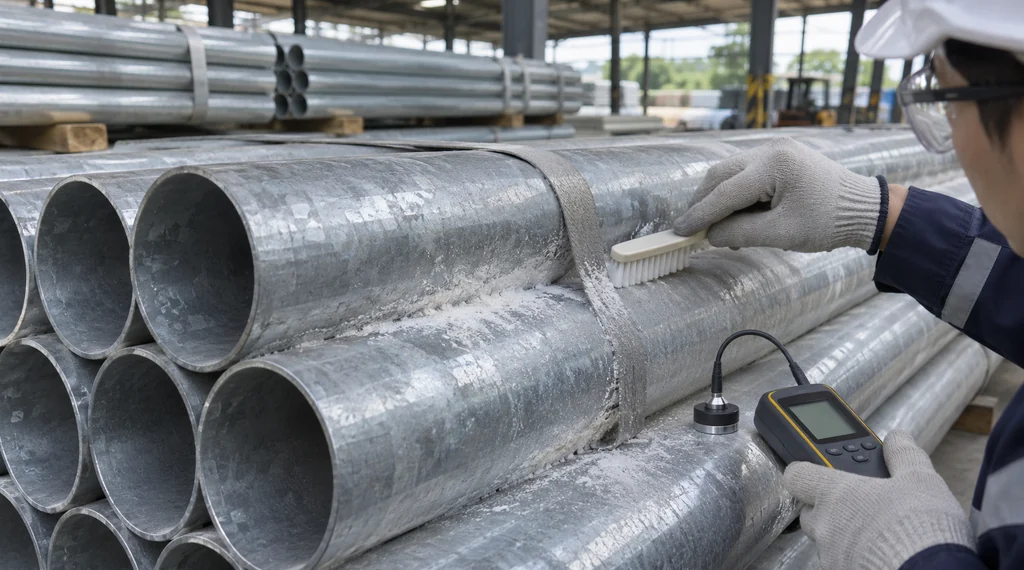
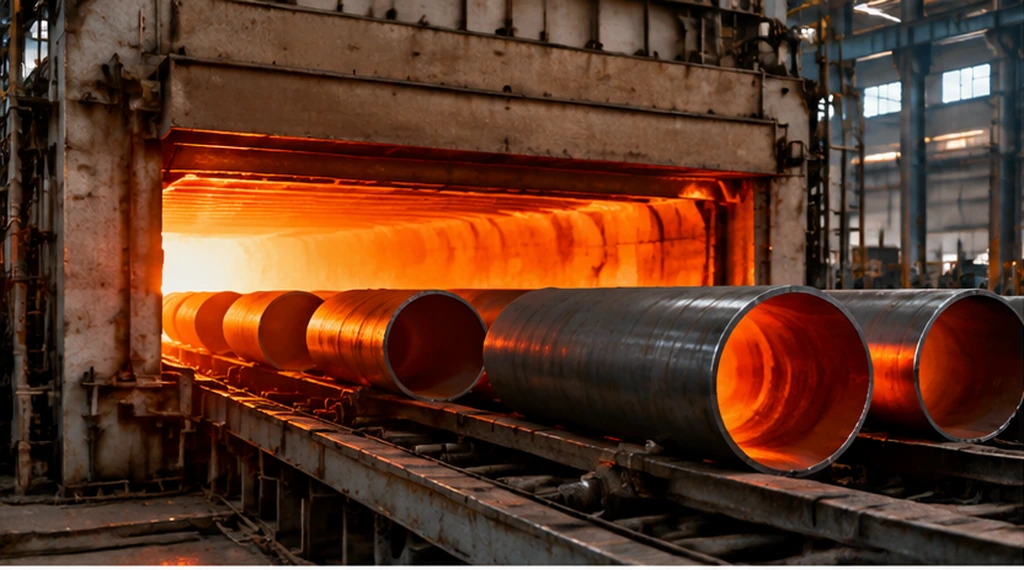
Receiving inspection must connect the order, certificate, reports, markings, and tubes to the same heat and batch. Verify the standard, grade, route, delivery condition, dimensions, tests, and supplementary requirements, then match heat numbers to certificates and packing records. Physical checks of OD, wall, length, straightness, ends, and surface establish facts a certificate cannot. Understanding how boiler tubes are made helps link each record to the production stage it verifies. If the standard differs, traceability breaks, or the route does not match the order, quarantine the material and open a formal clarification or nonconformity even when one test result passes.
Specify Boiler Tubes Around the Actual Service Requirement
Baolai provides product routes for boiler tubes and seamless steel pipes, but a useful review starts with the buyer’s approved technical basis. Providing the component, governing standard and edition, grade, outside diameter, wall thickness, length, quantity, design conditions, delivery state, required tests, inspection certificate, and destination requirements helps expose specification conflicts before unsuitable material reaches the project. It also gives the buyer a consistent basis for comparing supply proposals rather than comparing nominally similar products with different technical scopes. For a project-specific review, submit the required boiler tube specifications together with the relevant data sheet or drawing.
FAQs
Can every seamless steel pipe be used as a boiler tube?
No. A seamless pipe is suitable only when its product specification, grade, dimensions, delivery condition, testing, and documentation meet the requirements for the particular boiler component. The absence of a weld seam proves the manufacturing route, not service suitability, so the proposed product must be checked against the approved equipment specification.
Is boiler tube the same as high-pressure pipe?
No. The terms may overlap, but they do not define the same product. Boiler tube identifies an equipment-related duty, while “high-pressure pipe” remains incomplete without a product standard, grade, design conditions, dimensions, and acceptance requirements. Confirm the component and governing specification before treating either description as an orderable product.
Why are many boiler tubes ordered by outside diameter and wall thickness?
Those dimensions affect heat transfer, pressure design, tube-sheet or header interfaces, bending, and installation. A product standard may specify minimum wall or average wall and apply its own tolerances, so the order should preserve that dimensional basis instead of converting it loosely to a nominal pipe size.
What should happen when a supplier proposes a different tube standard?
Treat the proposal as a technical deviation. Compare scope, grade, manufacture, dimensions, tolerances, heat treatment, properties, tests, marking, and documentation against the specified product, then obtain approval through the project’s formal deviation process before manufacture or shipment.
Sources
BS EN 10216 series, seamless steel tubes for pressure purposes.
BS EN 10217 series, welded steel tubes for pressure purposes.
ASTM A106/A106M-26, seamless carbon steel pipe for high-temperature service.
ASTM A179/A179M-24, seamless cold-drawn low-carbon steel heat-exchanger and condenser tubes.
ASTM A178/A178M-25, electric-resistance-welded boiler and superheater tubes.