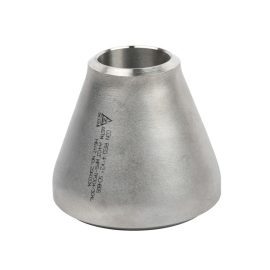
Wholesale Pipe Fittings

Baolai Steel is a trusted provider of wholesale pipe fittings, offering a comprehensive range of carbon steel and stainless steel fittings essential for pipeline systems. Steel pipe fittings play a crucial role in transporting liquids by connecting, controlling, diverting, and sealing pipelines beyond simple straight pipe use. Baolai’s fittings serve diverse industries such as petroleum, chemical, urban construction, shipbuilding, water supply, firefighting, and more.

Their product lineup includes stainless steel, carbon steel (black steel), and alloy steel fittings with various coatings like black paint, PE, cladding, and galvanization. Depending on industrial needs, Baolai provides fittings for oil and gas, chemical plants, food processing, power stations, and fire sprinklers. They also offer multiple connection types, including butt weld, socket weld, threaded, and flanged fittings, ensuring versatile applications for all pipeline projects.

1 2

Product Description

Baolai’s fittings are mainly butt-welded pipe fittings and high pressue pipe fittings. Butt-welded fittings include elbows, reducers, equal and reducing tees and couplings. We provide all painted, such as black painted, PE coated, hot dipped galvanized and so on.
Carbon Steel Buttweld Seamless Pipe Fittings are the most frequently used pipe fittings, which are the best option for pressure vessel and chemical and acid manufacturing areas. We also have carbon steel buttweld welded pipe fittings. And we also have flanges for any application.

Carbon Seamless Pipe

Production Process

Fitting manufacturers create seamless construction fittings (WPB) and welded construction fittings (WPW). In seamless construction, the steel pipe is heated and molded into its final shape. Special equipment is used to create the necessary bevels and markings. In welded construction, on the other hand, a steel plate is cut and shaped. The two sides are then welded together before they are beveled. Common steel pipe fittings include: standard butt weld fittings, socket weld fittings and threaded fittings.
Butt Weld Fittings
Butt weld fittings are required to change direction and connect to all of the other equipment and devices required to make them function. Butt weld fittings are designed with varying wall thicknesses and are beveled for welding. Butt weld fittings are constructed in both seamless and welded. The most common wall thicknesses are standard and extra heavy. Heavy wall, or special end fittings, are used for high temperature services, such as mainstream nuclear power.

FAQ

1. Should I choose butt weld, socket weld, threaded, or flanged pipe fittings?

The connection method should follow the piping code, pipe size, pressure and temperature, maintenance needs, and site welding capability. Butt weld fittings provide a continuous welded joint and are common in process piping. Socket weld fittings are often considered for smaller-bore, higher-pressure service, while threaded fittings may suit smaller systems where welding is not preferred. Flanged connections can simplify disassembly. The project engineer should confirm the final joint type.

2. How should a pipe fitting be matched to the pipe schedule and material grade?

Match the fitting outside diameter, nominal size, wall thickness at the welding end, material grade, and allowable service conditions to the connected pipe and design code. A nominal size alone is not enough: two pipes with the same NPS may have different wall thicknesses. For butt weld fittings, confirm the schedule or specified wall thickness and bevel details. Also check whether seamless or welded construction is permitted by the purchase specification.

3. What is the difference between long-radius and short-radius pipe elbows?

A long-radius elbow generally changes direction more gradually and may produce lower flow resistance than a short-radius elbow under comparable conditions. A short-radius elbow requires less installation space but creates a tighter turn. The right pipe elbow depends on layout limits, flow velocity, pressure drop, erosion risk, cleaning requirements, and the applicable dimensional standard. Space saving alone should not be the only selection criterion.

4. When should I use a concentric reducer or an eccentric reducer?

A concentric reducer keeps the pipe centerlines aligned and is commonly used where a symmetrical transition is acceptable, including many vertical lines. An eccentric reducer keeps one side level and can help manage air or liquid pockets in selected horizontal piping arrangements, such as some pump suction lines. Orientation matters, and it should follow the process design, drainage or venting needs, and project piping practice rather than a universal rule.

5. How can the quality of wholesale pipe fittings be checked before shipment?

Inspection can include material identification, dimensional checks, wall thickness, end bevels, surface condition, markings, coating, and review of the manufacturing and test records required by the order. For factory-made wrought butt weld fittings, ASME B16.9 may be specified; forged socket-weld or threaded fittings may reference ASME B16.11. The governing standard, sampling level, supplementary tests, and acceptance criteria should be stated in the purchase order.