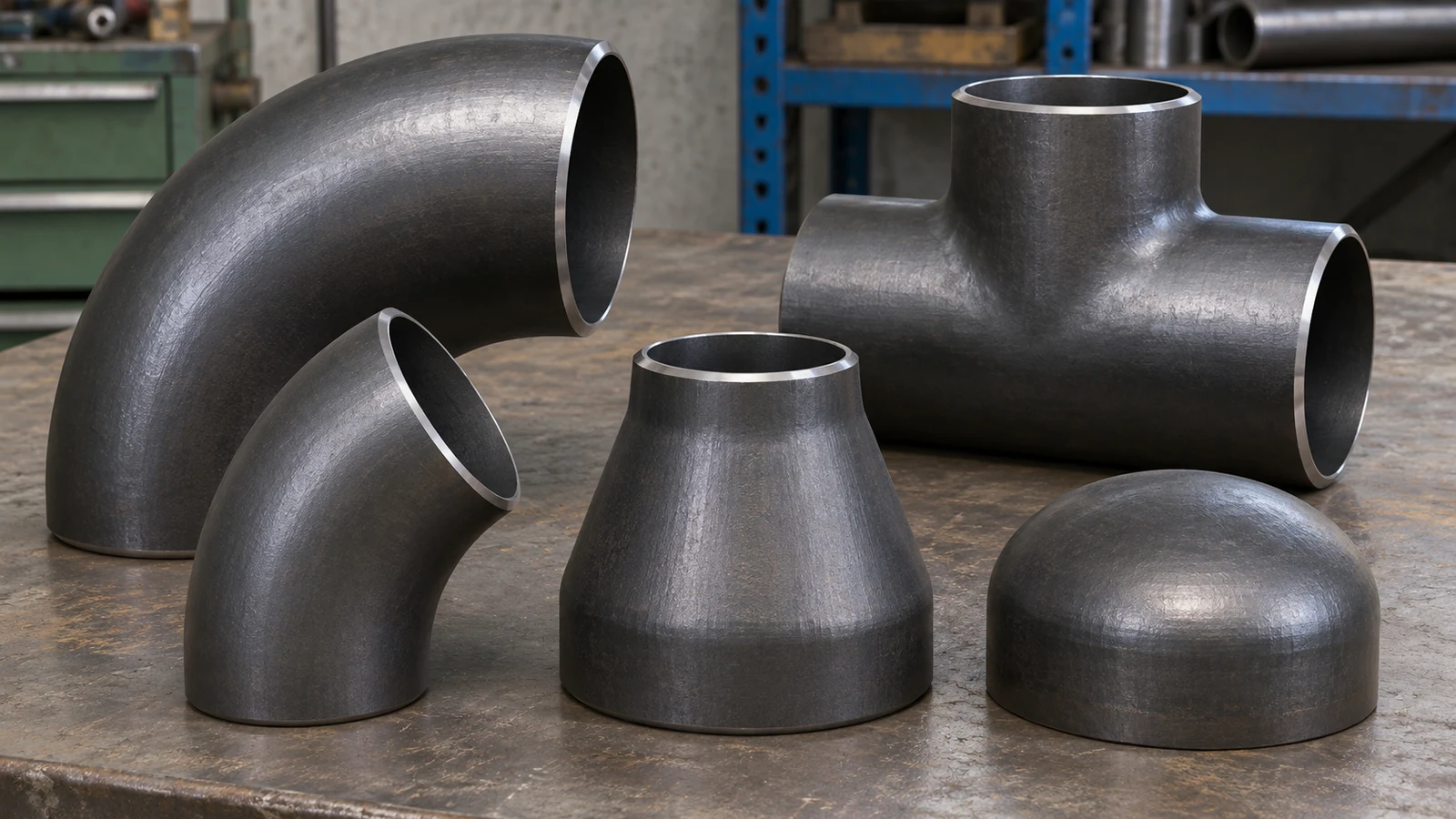
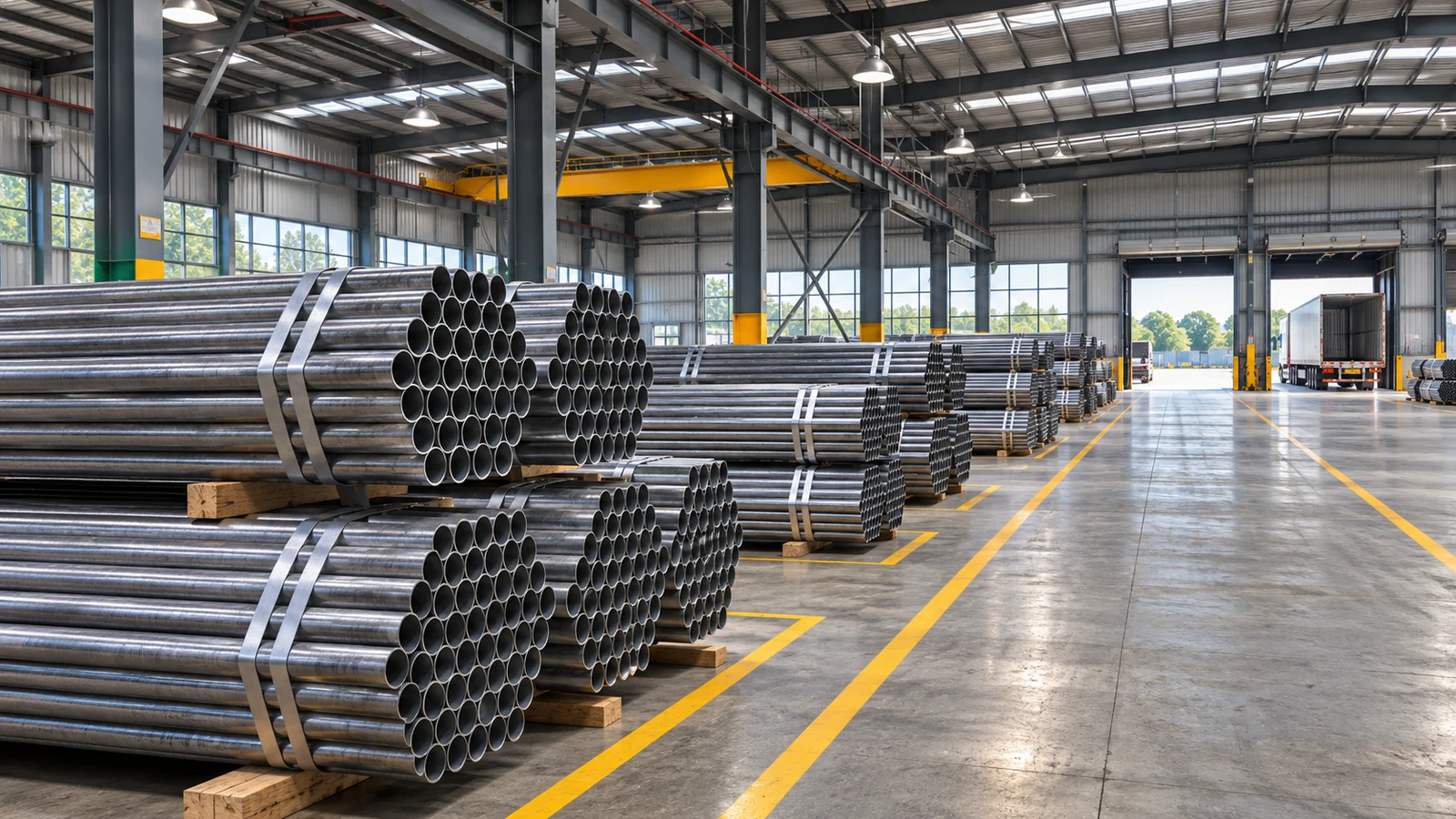
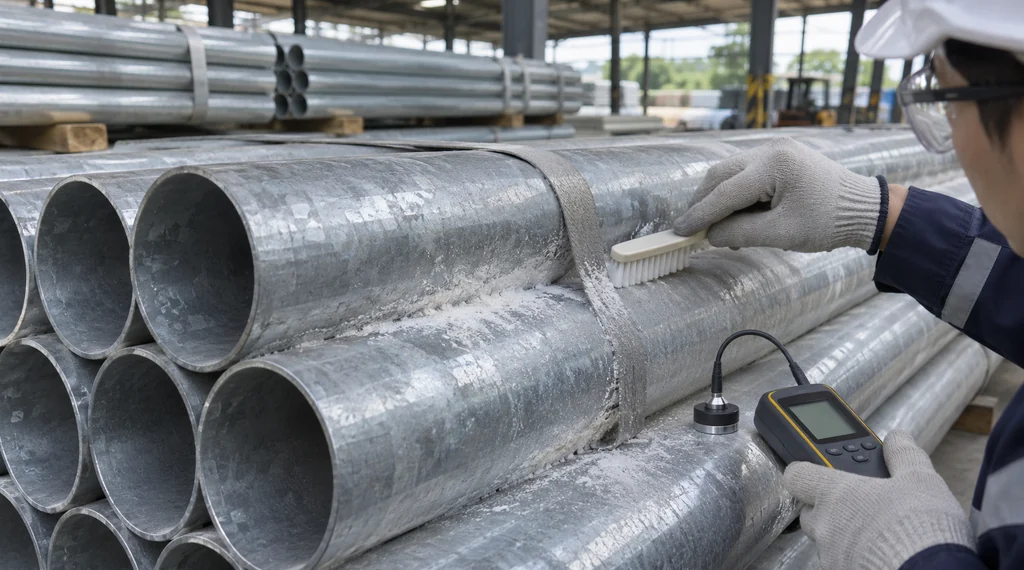
Neither welding nor bolting is universally better for hollow section connections. Welding can produce compact, continuous details when the joint is designed correctly and fabrication quality is controlled. Bolting can simplify site erection and future dismantling, but the closed section makes access to an internal nut difficult and introduces local wall, hole, and fastener considerations.
Many frames combine the two: plates or end assemblies are welded to CHS, SHS, or RHS in the workshop, and prepared members are bolted together on site. The route depends on load path, stiffness, geometry, access, execution, corrosion protection, and inspection. Final capacity and detailing remain the qualified project engineer’s responsibility.
Define the Hollow Section Connection Before Choosing a Joint
Start with the work the connection must perform. A beam-to-column joint, brace node, lattice joint, column base, equipment support, and end-to-end splice transfer forces differently. Identify axial force, shear, bending moment, torsion, and their combinations. The structural model should also state whether the joint is nominally pinned, rigid, or semi-rigid; the connection detail must support that assumption.
Member shape matters because circular, square, and rectangular hollow sections distribute local forces differently. Record outside dimensions, wall thickness, corner geometry, grade, manufacturing standard, and orientation. Thin walls may be efficient for the member but sensitive to concentrated connection forces. A large weld or more bolts cannot automatically compensate for a wall that is not designed to receive the load.
Execution conditions complete the input. Determine whether the joint is made in a workshop or on site, whether both sides and the section interior are accessible, how members will be transported, and which coating is required. The available hollow steel sections and welded structural tube range identify possible products, but design must use the exact project properties.
Compare Welded and Bolted HSS Connections on the Same Criteria
A useful comparison asks the same questions of both methods. First is the load path: welded joints transfer forces through welds, attachments, and the hollow-section wall; bolted joints transfer them through fasteners, plates or proprietary devices, holes, bearing zones, and the wall. The governing resistance may lie in the member or plate rather than the weld or bolt itself.
Second is access and execution. Welding needs controlled fit-up, procedures, qualified personnel, and inspection access. Bolting needs accurate holes, tool space, and a way to retain the nut when only one face is accessible. Blind fasteners solve particular access problems but must match the load and wall thickness.
Third is project use. Welded joints are normally permanent and can provide clean external lines. Bolted joints can support rapid erection, adjustment, replacement, or dismantling. Workshop welding is generally easier to control than site welding, while site bolting still depends on accurate workshop fabrication. Coatings, fatigue, fire protection, appearance, transport dimensions, and future maintenance can change the preferred arrangement.
Use Welded HSS Connections When Continuity and Compact Detailing Control
Welding is often appropriate for direct branch-to-chord joints, gusset plates, end plates, base details, stiffeners, and attachments where a compact connection is required. It can avoid external bolt groups and inaccessible internal nuts. The apparent simplicity of a weld line, however, does not mean the structural behaviour is simple.
The engineer must check both the weld and the hollow-section wall. Possible limits include local yielding, punching-type failure, chord deformation, side-wall failure, branch failure, or force interaction. Geometry, wall slenderness, corner regions, weld profile, and eccentricity influence the result. A weld that develops the plate does not necessarily develop the member.
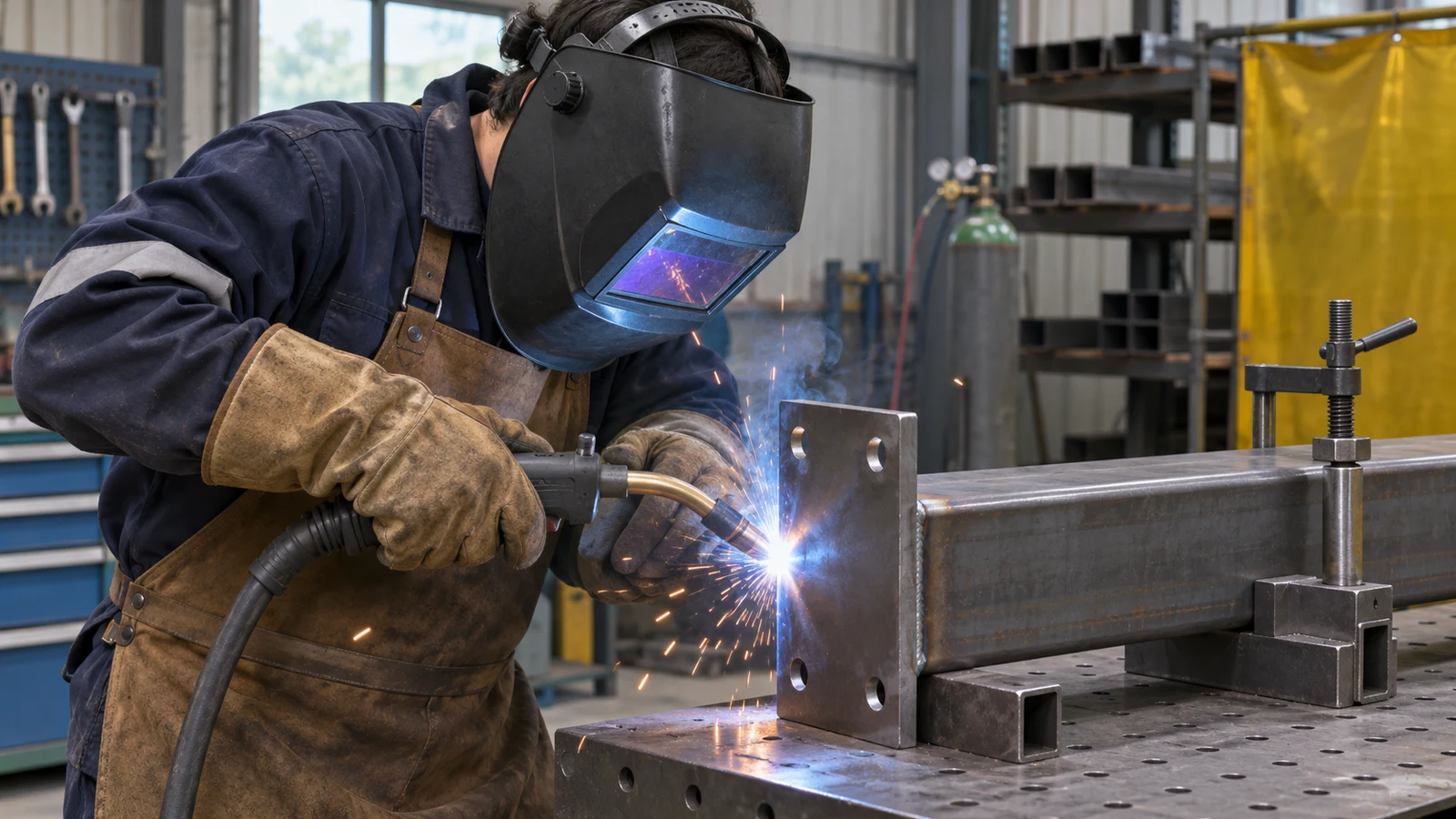
Fabrication planning should define joint preparation, fit-up tolerance, weld type and effective size, sequence, heat input, distortion control, access, acceptance criteria, and nondestructive examination. Welding near cold-formed corners or through existing coatings may require special attention. “Weld all around” is not a structural model and does not by itself prove moment continuity.
ISO 14346 provides recommendations for static design of specified welded hollow-section joints when that standard is adopted. European projects may use EN 1993-1-8 and the applicable national framework. The engineer must select the correct standard, edition, national provisions, and project rules rather than combining isolated equations from different systems.
Use Bolted HSS Connections When Erection and Access Control
Bolting is attractive when site speed, dismantling, replacement, reduced site hot work, or transport segmentation is important. It can also separate workshop fabrication from final erection. The central challenge is the closed section: conventional bolts normally need access to the bolt head and nut, while the inside face of an HSS may be inaccessible.
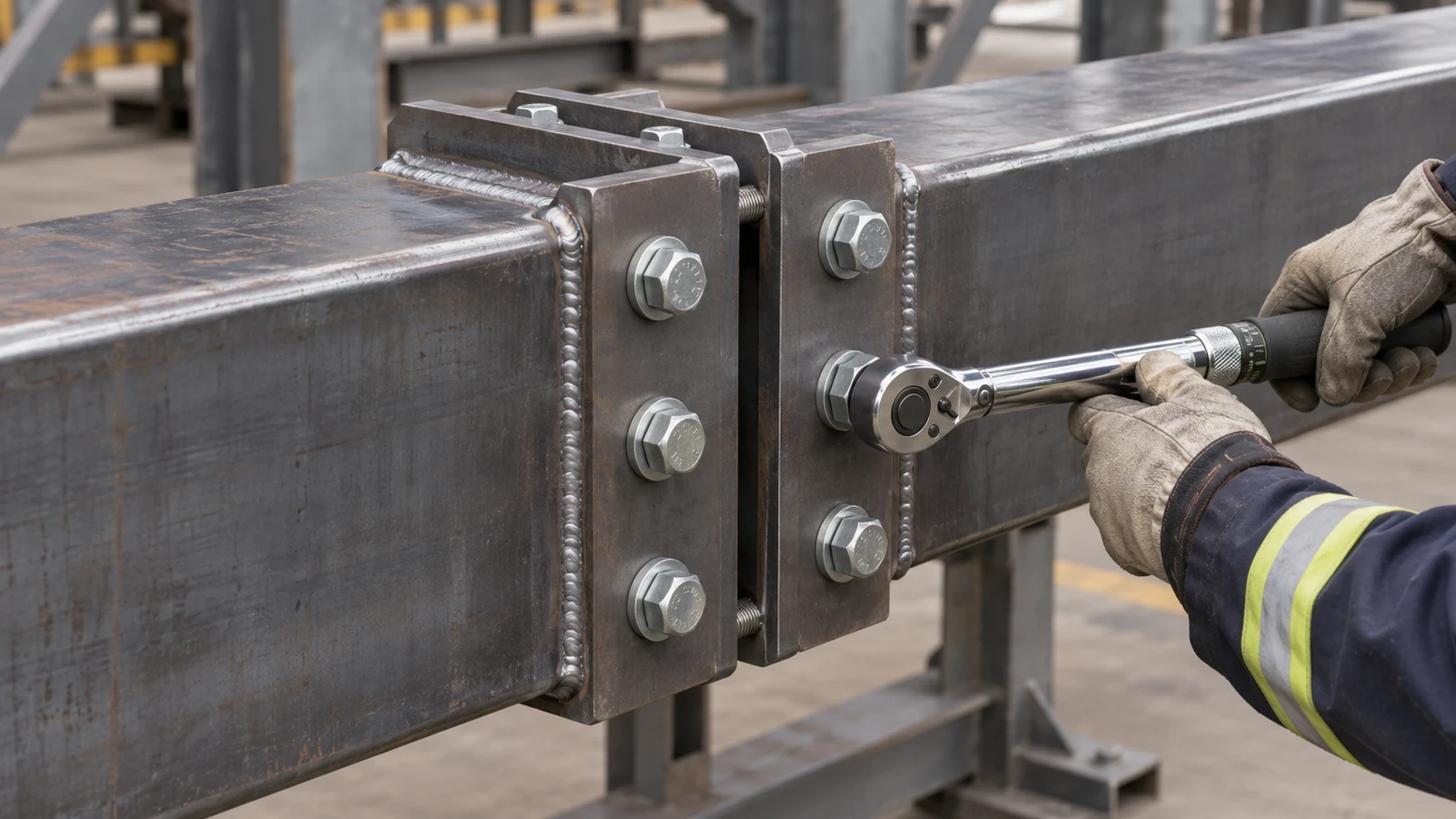
One solution is to weld an end plate, cleat, or connection assembly to the hollow section in the workshop and bolt that assembly to another member on site. Through-bolts can pass through opposite walls, but the engineer must evaluate wall bearing, local deformation, spacing, sleeves or internal reinforcement, and installation tolerance. Access holes may permit ordinary bolts near member ends, yet the holes affect net section, fatigue, water entry, coating, and appearance.
Blind bolts, one-sided fasteners, threaded inserts, and proprietary nut-retention devices provide other routes. Their capacity, grip range, hole size, edge distance, installation method, inspection, and approval scope must match the project. A proprietary name is not a design value. The engineer should use current technical data and specify the exact product rather than allowing any “equivalent blind bolt” at site.
Bolting does not necessarily eliminate welding. Many bolted HSS joints rely on workshop-welded end plates or brackets. The meaningful comparison is therefore often field welding versus controlled shop welding followed by field bolting.
Combine Shop Welding With Field Bolting for Practical HSS Frames
A hybrid strategy can put each operation in the environment where it is easiest to control. Plates and attachments are cut, positioned, and welded to hollow sections in the workshop. Welds and dimensions are inspected before coating. Members are then shipped in manageable lengths and bolted into frames or modules at the site.
This arrangement can reduce site hot work, but it shifts importance to dimensional control. End-plate flatness, hole position, member length, rotation, contact surfaces, erection sequence, temporary stability, and tool access must be coordinated. Slotted holes or packing plates should be designed rather than improvised.
Product selection must follow the connection and member design. EN 10219 square hollow sections and EN 10219 rectangular hollow sections are possible routes when the project adopts the relevant cold-formed structural hollow-section standard. Product pages do not establish connection resistance; the approved design must use the ordered grade, dimensions, tolerances, and section properties.
Check HSS Wall, Access, and Corrosion-Protection Details
Connection forces enter a relatively thin closed wall, so local checks cannot be postponed until fabrication. If the selected section is inadequate, possible engineered responses include changing section size or thickness, altering joint geometry, distributing the load through larger plates, or adding diaphragms, sleeves, stiffeners, or other reinforcement. Each option affects fabrication access, welding, drainage, and cost. Site personnel should not add weld length, bolts, or plates without an approved redesign.
Internal access must be resolved on drawings. Hand holes, vent holes, drain holes, and open ends may support fabrication or galvanizing, but they also affect strength, water entry, sealing, fire protection, and appearance. Their size and location require coordination among structural design, fabrication, coating, and erection. If a section will be sealed, the sequence must avoid trapping moisture or creating unsafe pressure during heating.
Corrosion protection should follow the completed detail. Welding burns back paint and metallic coatings; drilling creates bare edges; bolted interfaces may trap water; and closed sections need appropriate venting and drainage for hot-dip galvanizing. Specify surface preparation, masking where required, repair material, thickness, inspection, and the stage at which coating is applied.
If the project has not yet confirmed whether the ordered tube is a structural product, the comparison of mechanical tubing and structural tubing helps establish the product and document boundary before connection design proceeds.
Verify Hollow Section Connections Before Acceptance
Workshop review should connect approved drawings to material certificates, member markings, welding procedures, welder qualifications, fastener documents, inspection plans, and coating requirements. Dimensional checks should cover member length, cut angle, attachment position, hole diameter and location, end-plate orientation, straightness, and trial assembly where specified. Weld inspection follows the project execution standard and acceptance criteria.
Site inspection confirms member identity, orientation, temporary bracing, alignment, connection faces, bolt installation, site welds, coating damage, and final geometry. The inspector should know which fasteners need special procedures and which modifications are prohibited. Records must identify the exact joint or member.
Misaligned holes should not be corrected automatically by uncontrolled reaming, flame cutting, or forcing members into place. Wrong fasteners, missing plates, damaged coatings, unacceptable welds, or distorted HSS walls require segregation and an approved disposition. Repair instructions should address structural capacity, execution, inspection, and restored corrosion protection.
Coordinate Hollow Section Connections With Baolai
Baolai can review the hollow-section standard, grade, CHS/SHS/RHS shape, dimensions, wall thickness, length, cutting, drilling, surface treatment, marking, and document requirements against available material and processing routes. The connection itself must remain based on approved structural calculations and fabrication drawings.
For project-specific hollow section connections, provide the approved member schedule and processing drawings. This helps buyers identify material, hole, length, coating, and fabrication interfaces before production, reducing the risk that compliant hollow sections arrive with details that cannot support the planned site connection.
Frequently Asked Questions
Can ordinary structural bolts be installed directly through an HSS wall?
Only when the approved design addresses internal nut access, holes, wall bearing, local deformation, spacing, and installation. Do not copy an open-section detail to HSS without checking the closed wall and load path.
Are blind bolts suitable for every hollow section connection?
No. Their suitability depends on the exact fastener, load direction, wall thickness, hole, grip, edge distance, installation, and approval scope. Specify and design the selected system rather than accepting an undefined equivalent.
Can a welded HSS connection be changed to a bolted connection on site?
Not without engineering approval. The change can alter stiffness, force transfer, member holes, local wall behaviour, fabrication tolerances, and coating. Obtain a revised design and inspection plan before modification.
Should hollow sections be galvanized before or after connection plates are welded?
The fabrication and coating sequence should be defined before production. Welding after galvanizing damages the coating, while galvanizing a completed assembly requires suitable venting, drainage, geometry, and distortion control. Use the approved project coating and fabrication procedure.