Steel pipe lead time is not simply the number of days a mill needs to form and test pipe. The complete period may begin only after technical requirements are frozen, and it can continue through raw-material allocation, production, processing, inspection, document approval, packing, freight, customs clearance, and delivery to the agreed point. A short production promise can therefore coexist with a late project delivery.
Buyers should make every bidder use the same start date, finish point, specification, quantity, and logistics assumption. They can then separate approval time from physical production and transport. This article converts a quoted number into milestones that can be verified before and after the order.
Define What the Steel Pipe Lead Time Includes
The first question is when the clock starts. A supplier may count from purchase-order receipt, advance payment, contract effectiveness, technical clarification, or approval of production documents. These events can be days or weeks apart. If the quotation says “six weeks” without a trigger, the date is not sufficiently defined for project planning. The order should identify the exact event that releases material and production.
The finish point also needs a name. Manufacturing completion means the pipe has passed the required production stages, but it may still be waiting for coating, third-party inspection, document approval, or packing. “Ready for shipment” normally moves the boundary to a later point. Dispatch, loading on the nominated vessel, arrival at the destination port, customs release, and delivery to site are later milestones again. A buyer comparing mill completion in one quotation with delivered-to-site timing in another is not comparing equivalent offers.
Record the contractual delivery point, applicable Incoterm, required-on-site date, and party responsible for each transport leg. Also distinguish calendar days from working days and identify public-holiday or shutdown assumptions. This creates one shared schedule boundary before anyone debates whether the proposed duration is fast or slow.
Determine Whether the Pipe Comes From Stock or a New Mill Run
Once the time boundary is fixed, determine the supply route. “Available” can mean a product appears in a catalogue, the mill can manufacture it, a trader has some quantity, or the exact ordered material is reserved and supported by acceptable records. Only the last condition is reliable stock for the current order.
Stock verification should cover the standard and edition, grade, dimensions, quantity, heat or batch identity, surface, ends, marking, and inspection documents. Mixed heats or residual lengths may be usable only if the purchase specification permits them. A warehouse photo does not prove allocation, so the quotation should distinguish physical stock from material reserved for the buyer.
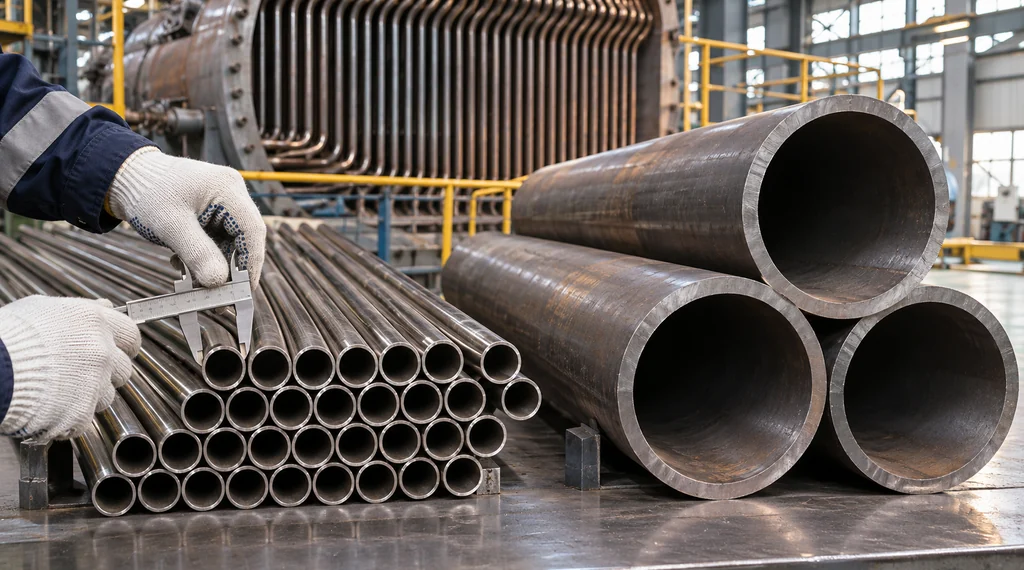
A new mill run introduces raw-material sourcing, production-lot planning, tooling or line setup, and a place in the production queue. Mills group compatible sizes and grades to use equipment efficiently; they do not necessarily roll every catalogue size continuously. The available welded steel pipe range and seamless steel pipe range illustrate different product families, but current stock, production slots, and delivery dates must still be confirmed for each enquiry.
Measure How the Steel Pipe Specification Changes Production Time
After choosing stock or production, identify which specification controls the schedule. A common grade in a regular size may fit an existing raw-material and mill programme. A less common chemistry, delivery condition, heavy wall, tight tolerance, special length mix, or small quantity across many sizes may require a separate campaign. The longest-control item, not the average item, usually sets the completion date when the order must ship together.
The product standard and grade influence material availability, manufacturing route, heat treatment, test scope, and documentation. Dimensions affect equipment selection and production sequence. Fixed lengths, restricted short-length percentages, special straightness, or tighter wall tolerances can reduce yield and add inspection. Buyers should state these requirements at enquiry stage instead of accepting a standard quotation and adding them after order placement.
Manufacturing route also matters, but it should not be treated as a universal ranking. An API 5L ERW line pipe and an API 5L seamless line pipe follow different production routes. These pages identify possible products where API 5L is specified; they do not establish a fixed lead time or prove that one route is always faster. The supplier must confirm the ordered edition, grade, product specification level, dimensions, quantity, testing, and current plan together.
Add Processing, Inspection, and Document Approval to the Schedule
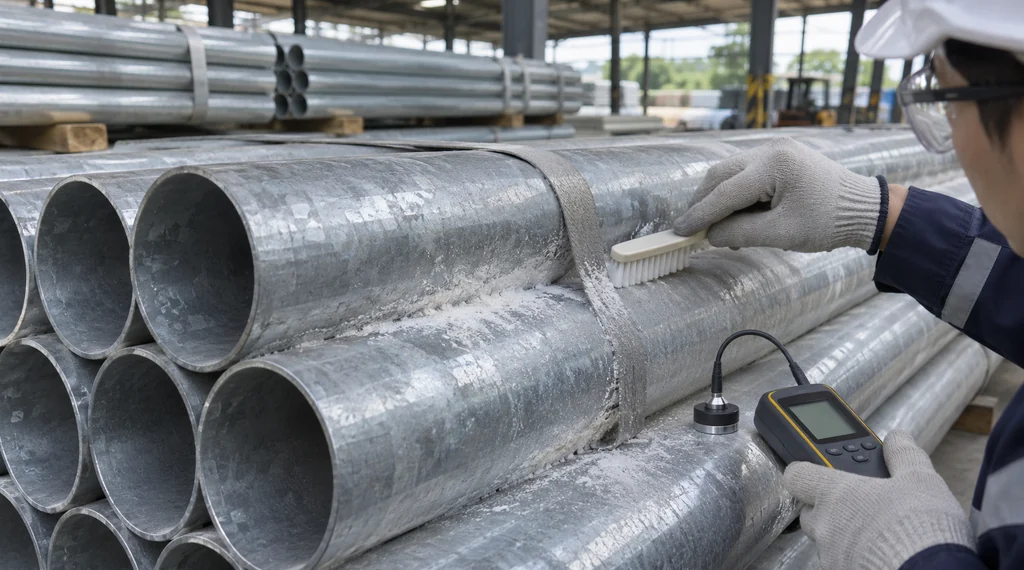
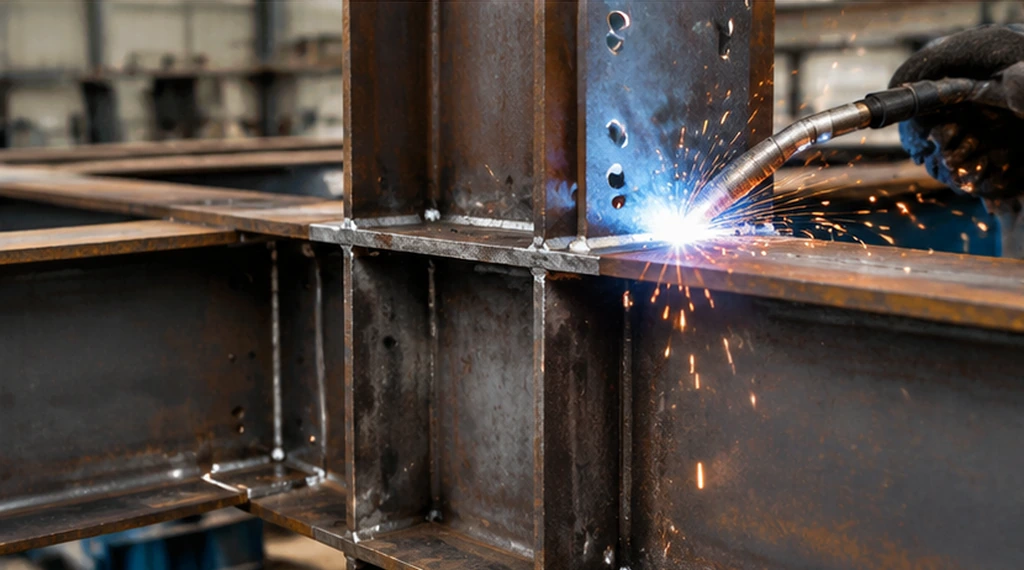
Base pipe may need cutting, beveling, threading, grooving, galvanizing, painting, fusion-bonded epoxy, multi-layer external coating, lining, special marking, end protection, or project-specific packaging. Each operation needs input material, equipment capacity, inspection, and sometimes curing or repair time. If processing is performed at another facility, transfer and queue time must also be visible.
Inspection creates planned hold points rather than an undefined allowance. The schedule should show when the manufacturer will submit the inspection and test plan, when the buyer or third-party inspector must respond, which tests are witnessed, and what evidence releases the material. Late inspector nomination, unavailable witnesses, or unclear acceptance criteria can stop an otherwise completed batch. Conversely, waiving a required inspection simply to recover time may create a larger approval problem at destination.
Documents can sit on the same critical path. Mill test certificates, dimensional reports, nondestructive-testing records, coating reports, calibration references, certificates of conformity, packing lists, and release notes need traceable identifiers and agreed review periods. The article on how to read a steel pipe MTC helps reviewers connect heat numbers, standards, and test results before dispatch. A document returned for mismatched heat numbers or an incorrect standard can delay shipment even when the pipe is physically ready.

Include Packing, Freight, Customs, and Site Handover
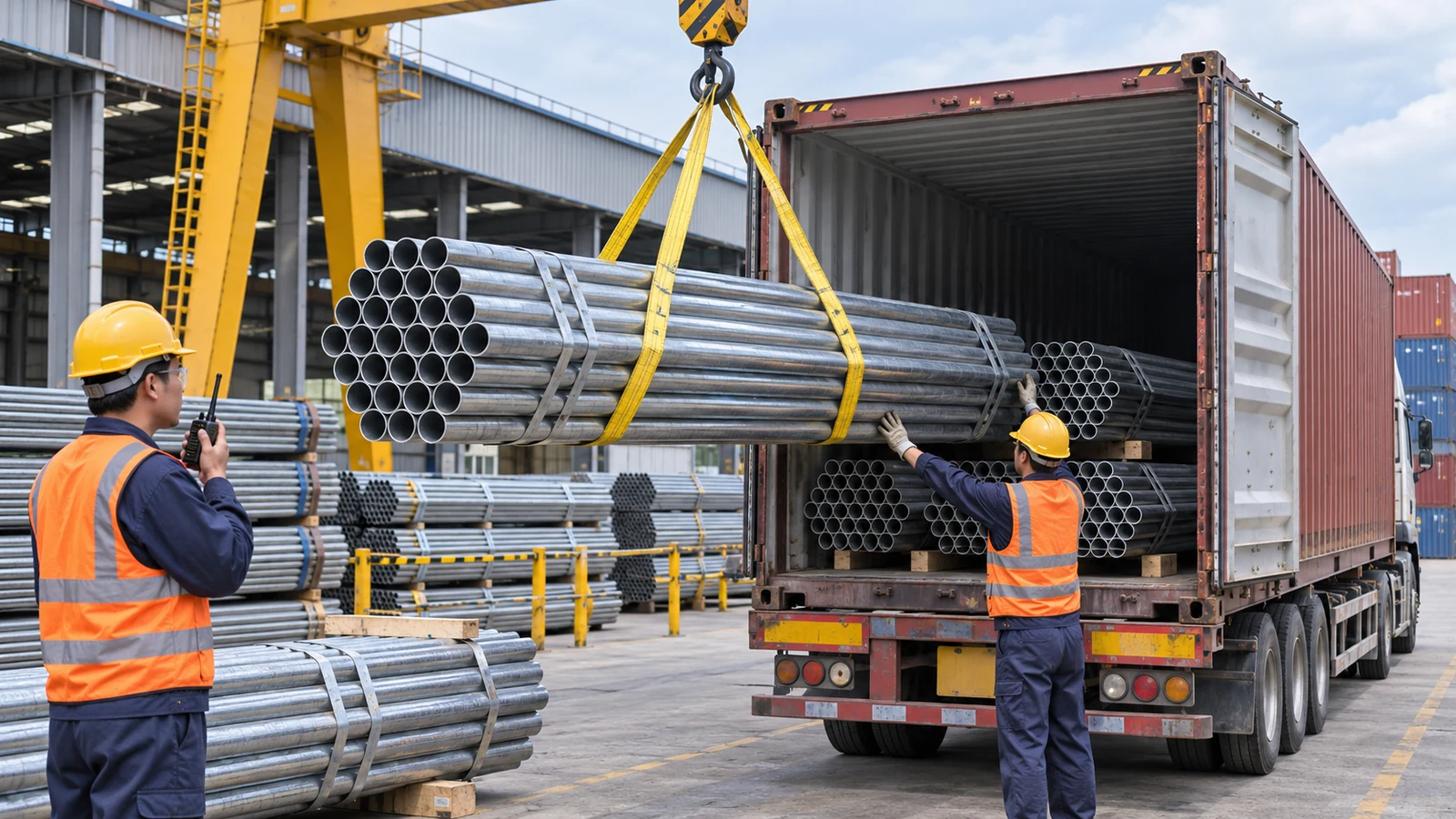
The ready-for-shipment date is only the start of the logistics stage. Pipe dimensions, bundle weight, coating sensitivity, end protection, container loading, break-bulk handling, and destination restrictions determine the packing and transport plan. Large or mixed shipments may need consolidation, several containers, or staged loading. Coated pipe may require separators, protected lifting points, and additional inspection after handling.
Shipping time should be stated as an assumption, not a permanent promise. Vessel schedules, transshipment, ports, weather, customs, and inland transport change independently of production. The quotation should identify the delivery point, transport mode, loading window, document cut-off, and freight responsibility. Destination documents should be confirmed before cargo reaches the port.
Buyers should also coordinate delivery with site readiness. A project may incur storage, demurrage, repeated handling, or coating damage if pipe arrives before the laydown area or lifting plan is ready. The procurement schedule is complete only when it connects production release with a feasible handover at the agreed destination.
Turn the Quoted Lead Time Into a Verifiable Delivery Schedule
A reliable schedule is a sequence of evidence-backed milestones. It should state planned and actual dates, responsible parties, required inputs, and the record that proves completion. Percentage-complete updates are less useful when they do not identify what remains on the critical path.
The following milestones are normally worth tracking when they apply to the order:
- Technical specification and purchase conditions frozen
- Stock or raw material allocated to the order
- Production slot confirmed
- Base pipe manufacturing and required tests completed
- Coating, end processing, and marking completed
- Buyer or third-party inspection released
- Final document package approved
- Pipe packed and ready for shipment
- Cargo dispatched or loaded
- Delivery completed at the contractual point
Each milestone needs different evidence. Material allocation may be supported by heat or coil references; production completion by batch records; inspection release by a signed note; and dispatch by transport documents. A repeated “on schedule” email is not equivalent to these records. The buyer should focus expediting on late inputs and the next controlling milestone rather than requesting daily updates from every production step.
Build Lead-Time Controls Into the Purchase Order
The purchase order should preserve the assumptions accepted during bid evaluation. State the lead-time trigger, delivery point, milestones, approval periods, inspection notice, split shipments, documents, and update frequency. Define how specification or quantity changes, late approvals, and missed milestones will be assessed and communicated.
Partial delivery can protect the project critical path when early quantities match the installation sequence. It can also increase inspection, packing, freight, and receiving work. The order should identify which sizes and quantities form each lot instead of merely saying “partial shipment allowed.” If all items must ship together, the schedule should clearly identify the longest-lead specification.
Commercial pressure should not replace technical clarity. An unrealistically short date may depend on unverified stock, omitted processing, reduced inspection, or a freight assumption that is not available. The most useful commitment is not the smallest number; it is a date built from complete inputs, visible dependencies, and agreed evidence.
Plan a More Reliable Steel Pipe Delivery With Baolai
Baolai can review the product standard, grade, dimensions, quantity, processing, inspection documents, delivery point, and required date against available supply routes. Providing these inputs together helps buyers expose nonstandard sizes, mixed specification lots, approval stages, and logistics conditions before they become schedule conflicts.
For a project-specific steel pipe lead time, include the complete material list and distinguish required-on-site dates from preferred dates. The resulting discussion can focus on stock allocation, production milestones, split-delivery options, and documentary release, giving the buyer a schedule that is easier to compare and monitor.
Frequently Asked Questions
When does steel pipe lead time officially start?
It starts at the trigger stated in the accepted quotation or contract. This may be order effectiveness, payment, technical clarification, or document approval. If the trigger is not written, request clarification before using the duration in a project schedule.
Can partial delivery shorten the project critical path?
Yes, when the first lot matches the installation sequence and has complete inspection and documents. Compare the schedule benefit with added freight, inspection, receiving, and storage costs before dividing the order.
Does a specification change reset the delivery date?
It may change the date if it affects raw material, production routing, completed work, testing, or approval. Require a written impact assessment showing affected items and revised milestones instead of assuming every change has the same consequence.
How can a buyer verify that production is still on schedule?
Track dated evidence for material allocation, production completion, processing, inspection release, document approval, and dispatch. Concentrate on the next critical milestone and unresolved inputs rather than relying on an unsupported completion percentage.