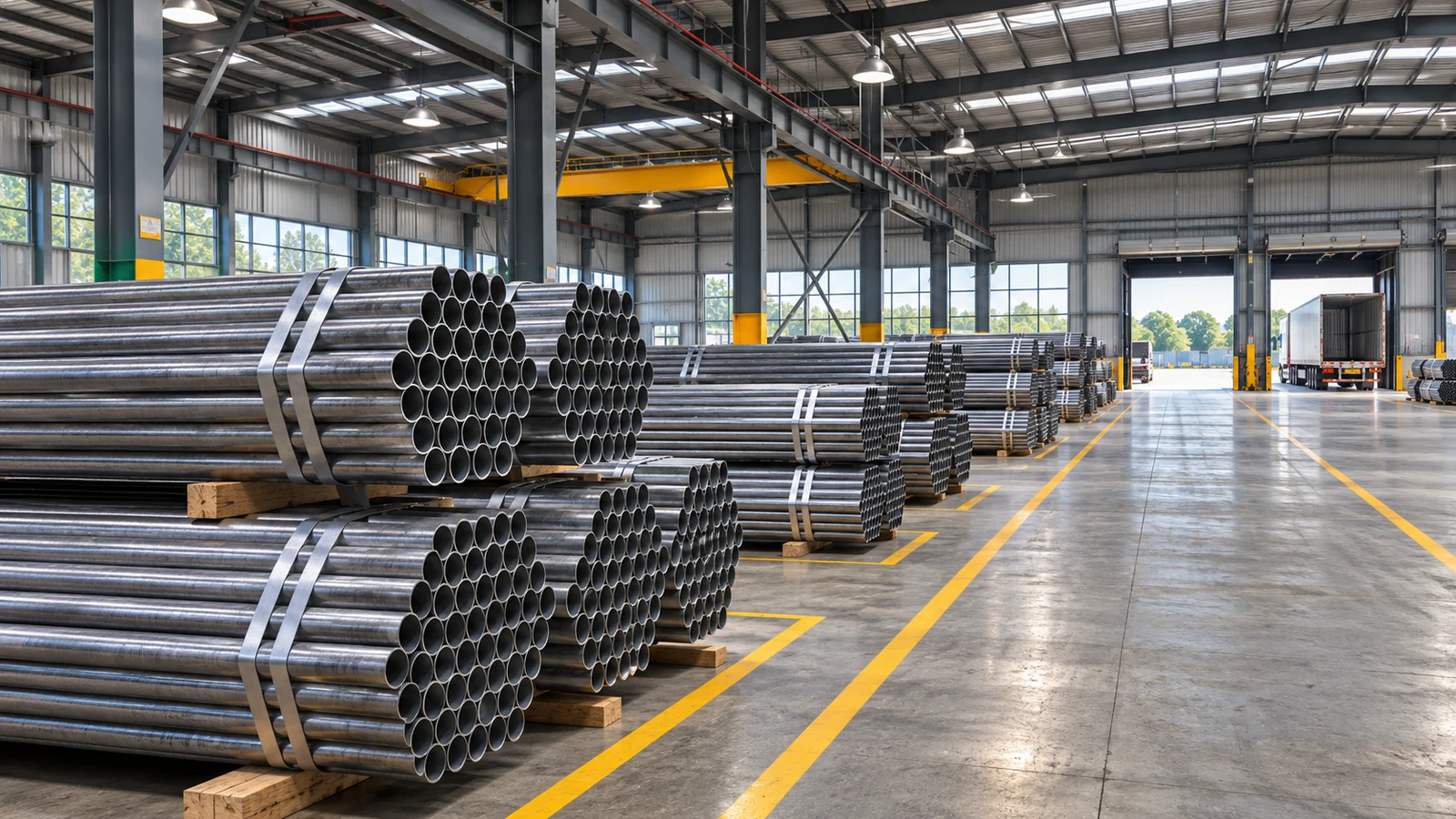
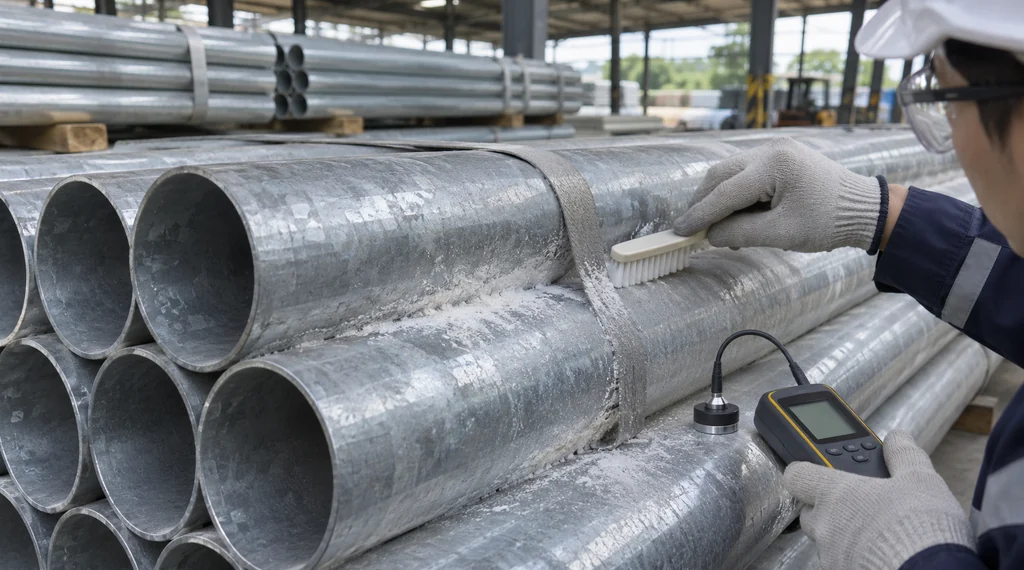
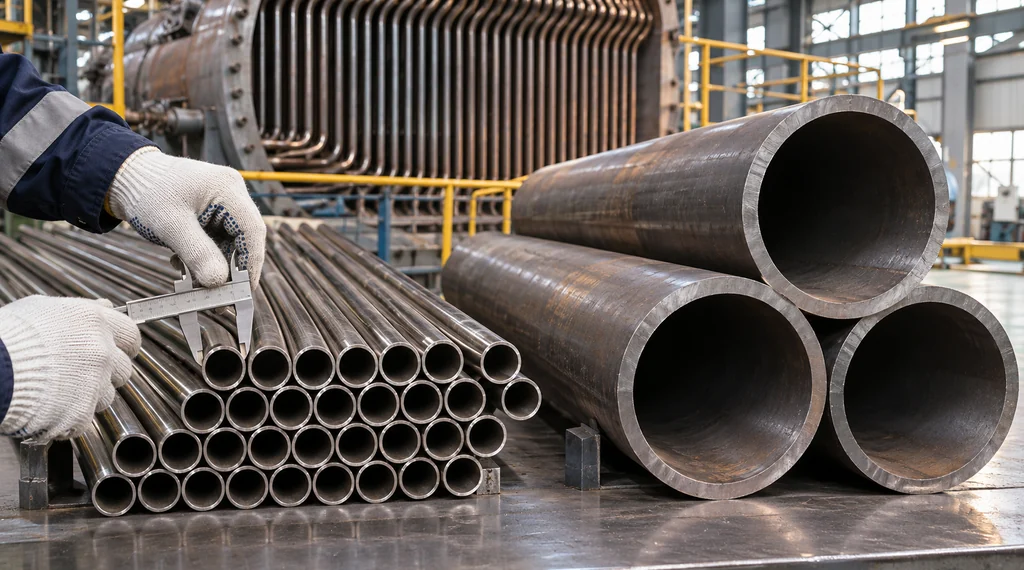
“Steel elbow” or “DN100 reducer” is not a complete fitting specification. The description may identify the general shape while omitting the connection, material grade, wall thickness, end preparation, dimensional standard, pressure conditions, and inspection requirements. The delivered item can therefore carry the expected name and still fail to match the pipe or approved system.
Selection becomes clearer when three questions are kept separate. The fitting form describes what the piping system must do. The connection type describes how the component joins the pipe. The material and standards define the technical delivery basis. This guide follows that order and shows how to verify the final interface before procurement or installation.
Start With the Function the Steel Pipe Fitting Must Perform
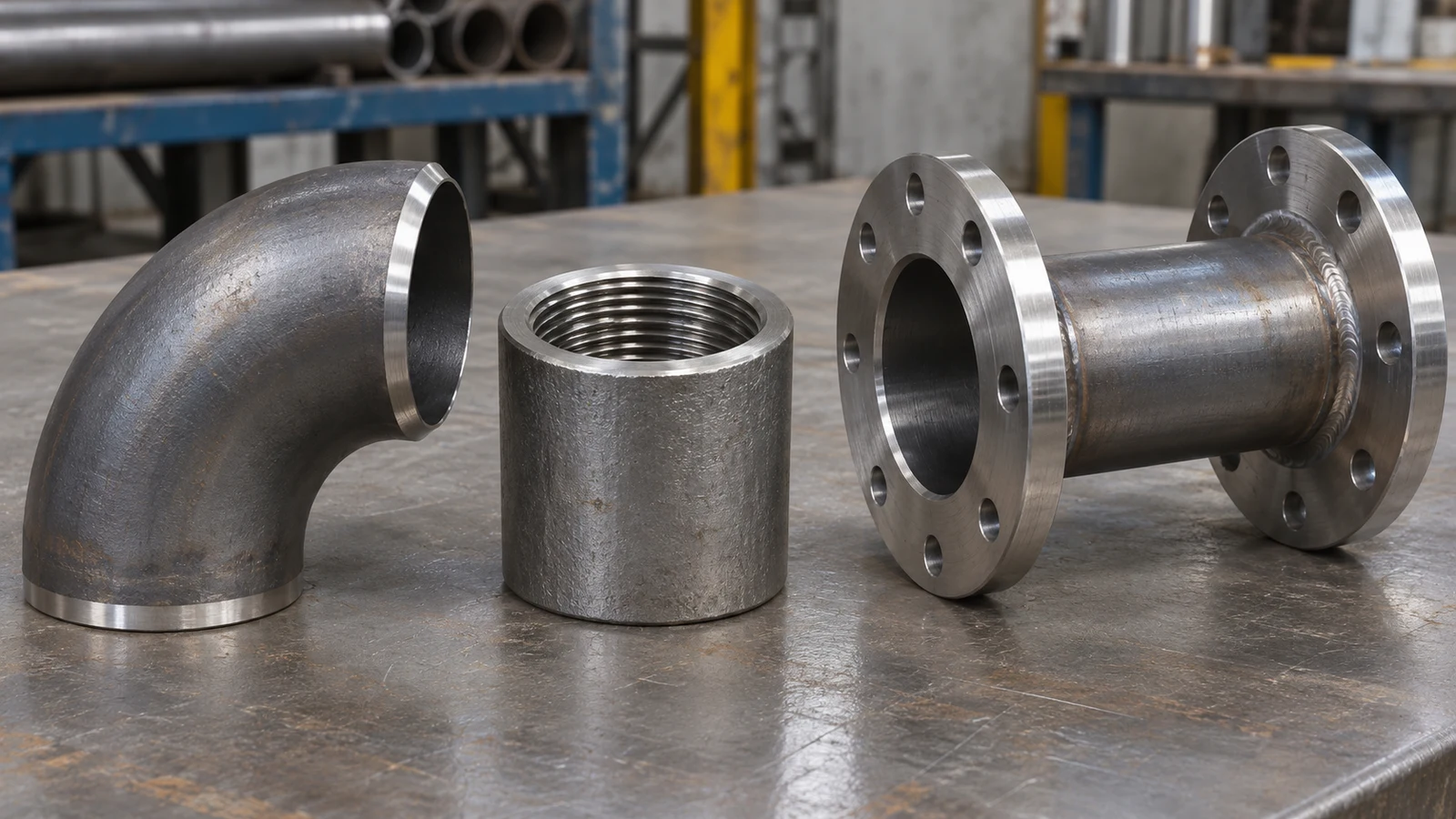
Every fitting should solve a defined system task. Elbows change direction; tees and crosses create branches; reducers connect different sizes; caps close an end; and couplings or unions connect sections. Flanges create a detachable interface with pipe, valves, vessels, pumps, or other equipment. Naming the task first prevents the connection method from being mistaken for the fitting form.
Geometry then changes the system response. A long-radius elbow needs more space but creates a more gradual turn. A concentric reducer keeps centre lines aligned, while an eccentric reducer preserves one side of the transition and may help manage pockets when oriented correctly. Select these details from hydraulic, drainage, cleaning, layout, and maintenance requirements rather than catalogue availability alone.
Once the required functions are clear, buyers can review the broader pipe accessories and fittings and the focused steel pipe fittings range. Category pages help identify available forms, but the approved line list, piping class, drawings, and bill of materials should control the actual selection.
Choose the Connection Method Before Finalizing the Fitting
The same elbow, tee, or reducer function may be supplied with butt-weld, socket-weld, threaded, flanged, grooved, or another approved connection. These are not interchangeable labels. Each method changes the fitting construction, pipe-end preparation, installation work, inspection, ability to dismantle the joint, and potential leakage path.
Butt Weld Fittings
A butt-weld fitting is aligned end to end with the pipe and joined by a circumferential weld. It can create a continuous flow path and is common where the piping design adopts welded construction. Correct selection requires matching the outside diameter, fitting end thickness, pipe wall thickness, bevel, root preparation, material, and welding procedure. Nominal size alone cannot establish that the ends are compatible.
The fitting may be seamless, welded, or fabricated as permitted by its product standard and purchase specification. That manufacturing description does not remove the need to check dimensions, heat treatment, material identification, and required nondestructive testing. Field fit-up also depends on ovality, end squareness, alignment, and the space available for welding and examination.
Socket Weld Fittings
In a socket-weld joint, the pipe enters a recessed socket and is joined by a fillet weld. This produces a different load path and internal geometry from a butt weld. The design and installation procedure must address socket dimensions, insertion and specified gap, fitting class, pipe wall, weld size, material, and examination. A socket-weld fitting should not be described merely as a small-bore butt-weld fitting.
Suitability depends on the governing piping code, service, fatigue and corrosion considerations, cleaning requirements, pressure and temperature, and project practice. The existence of a matching nominal size does not by itself authorize substitution for a threaded or butt-weld component.
Threaded and Flanged Fittings
Threaded connections may suit services and sizes permitted by the project, but thread form, engagement, sealing method, corrosion allowance, and maintenance conditions must be coordinated. Flanged connections support dismantling and equipment interfaces, yet they add requirements for pressure rating, facing, drilling, gasket, bolting, alignment, and controlled assembly. The appropriate method is the one supported by the complete piping design, not the one with the lowest component price.
Match the Fitting Material to the Pipe and Service Conditions
The fitting material should be compatible with the connected pipe, design temperature, conveyed fluid, corrosion environment, welding process, and project materials specification. “Carbon steel,” “stainless steel,” or “alloy steel” is only a family name. The order needs the relevant material standard and grade, required heat treatment, manufacturing route, and supplementary restrictions.
Matching does not always mean using an identical grade name, but any difference needs engineering confirmation. The fitting and pipe may have different product standards while still forming an approved material combination. Conversely, two components both described as carbon steel can have unsuitable chemistry, strength, toughness, or welding requirements. Substitution should be assessed against the design code and piping class rather than visual similarity.
Surface condition is a separate field. Black paint, galvanizing, epoxy, or another coating does not replace the base material grade. The project should define coating continuity, damaged-area repair, end exclusions, and whether welding will occur before or after coating. Dissimilar-metal transitions may require attention to welding consumables, galvanic corrosion, insulation, and service environment.
Apply the Correct Standard to Each Fitting Requirement
One standard rarely defines the complete component. A purchase specification may need a product standard for the fitting, a material specification, dimensional and end-preparation requirements, a piping design code, welding requirements, and inspection documents. Buyers should identify which function each reference performs and confirm the edition adopted by the contract.
For projects using European standards, the EN 10253 series provides routes for butt-welding fittings in different steel groups and inspection categories. The applicable part distinguishes material families and technical delivery conditions. The project must still select the appropriate part, material, type, dimensions, design assumptions, and inspection category; writing only “EN 10253” leaves important choices unresolved.
When a contract adopts the ASME dimensional system, ASME B16.9 covers factory-made wrought butt-welding fittings, while ASME B16.11 covers forged socket-welding and threaded fittings. These references are common in international projects but are not automatic defaults for every destination. They also do not replace the project piping code, material specification, or service assessment. The order should use the standard system actually named in the approved documents and avoid mixing dimensions or ratings from unrelated systems.
Match Fitting Dimensions and Ratings to the Connected Pipe
Interface review begins with DN or NPS but continues with actual outside diameter, wall thickness, fitting end thickness, bevel, bore, and installation dimensions. Two pipes with the same nominal size can have different walls. A butt-weld fitting ordered against the wrong thickness may create an unacceptable internal offset or require a transition that was never designed.
Elbows require the angle, radius, centre-to-end dimensions, material, and end details. A current 90-degree long-radius elbow page shows one available form, but the buyer must confirm the project standard and exact dimensions. Reducers need large and small end sizes, length, concentric or eccentric form, orientation, end thicknesses, and service requirements. A concentric reducer is appropriate only where aligned centre lines match the design.
Socket-weld and threaded fittings use class designations under some standard systems, while butt-weld fittings are coordinated differently with the pipe and design code. A pressure class, pipe schedule, or wall thickness should not be transferred from one product family to another without checking how the adopted standard defines it. Flanges additionally require facing, drilling, pressure-temperature rating, gasket, and bolting compatibility.
The final check should include connected valves and equipment. A correct fitting can still fail the installation if its end standard, face-to-face requirement, branch orientation, or maintenance clearance conflicts with the adjacent component.
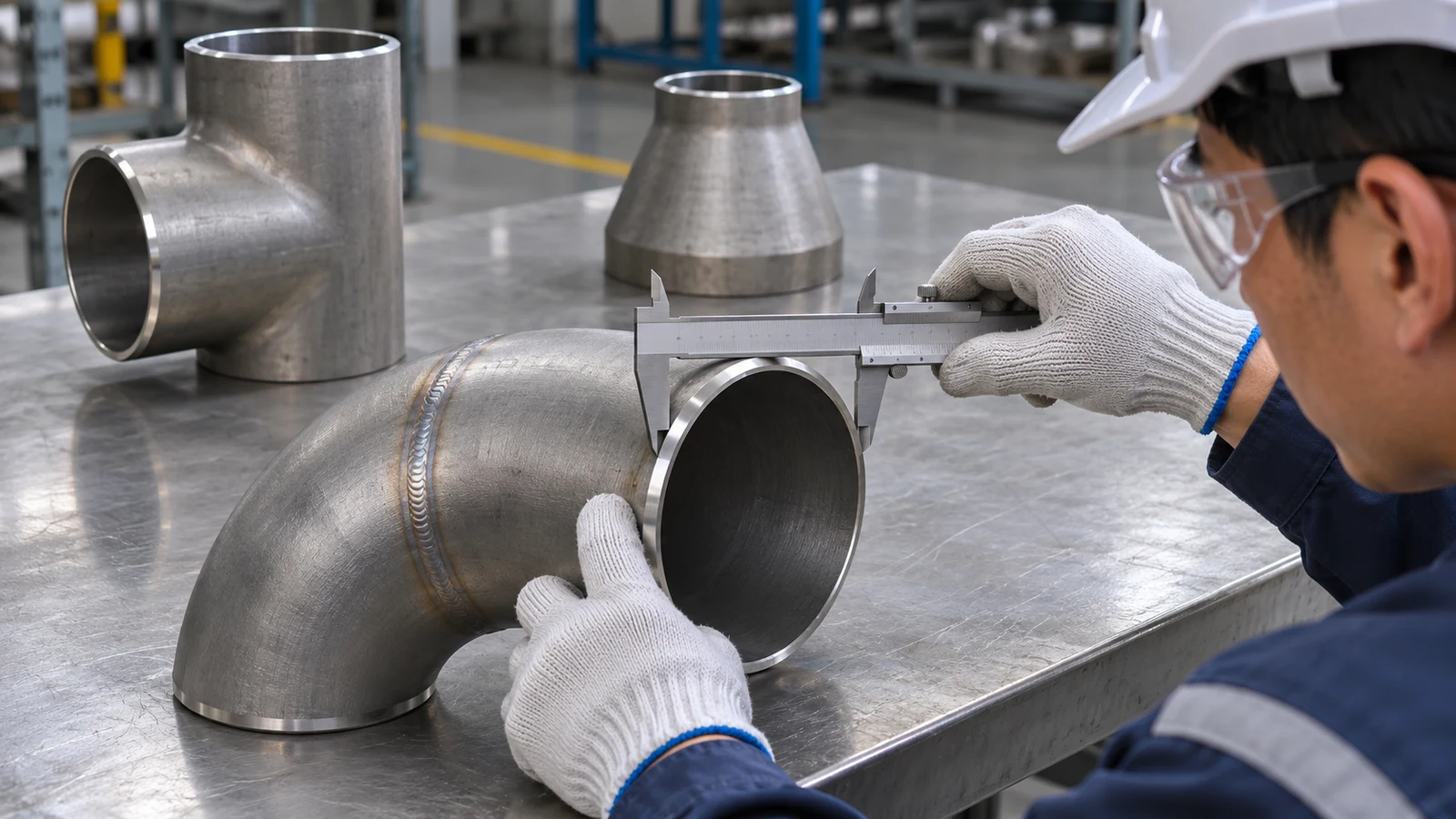
Verify Steel Pipe Fittings Through Documents and Inspection
Document review should connect the purchase order to the exact fitting batch. Check the manufacturer, product standard and edition, material standard and grade, heat or batch identity, heat treatment, test results, inspection document, dimensions, marking, and any supplementary examinations. A certificate for the correct grade but a different batch does not establish traceability.
Physical inspection then verifies fitting type, size, angle or reduction, wall and end thickness, bevel or socket, key dimensions, surface condition, coating, marking, and quantity. For welded or fabricated fittings, review the manufacturing welds and required examination. For socket-weld fittings, verify the socket geometry and class against the approved specification. Inspection tools and sampling should follow the order and governing standard.
If the project also uses mechanically joined fire piping, the separate guide to grooved pipe fitting types explains that connection family without mixing its grooves, couplings, and seals into welded-fitting requirements. Keeping the systems separate reduces the risk of assuming that one fitting standard covers every joint on the project.
Nonconforming material should be identified and segregated. Missing traceability, wrong ends, dimensional mismatch, or unapproved materials require documented disposition. Re-marking a fitting or revising a certificate cannot correct the physical component unless the manufacturer restores evidence and the project formally accepts the result.
Specify Compatible Steel Pipe Fittings With Baolai
Baolai can review fitting function, connection type, material, nominal size, outside diameter, pipe wall, fitting end, standard, coating, quantity, and document requirements against available products. Supplying the piping class, bill of materials, and relevant drawings helps buyers identify conflicts before fittings reach the site.
For project-specific steel pipe fittings, define both the required component and the connected pipe. This allows the review to focus on material compatibility, end dimensions, manufacturing route, inspection evidence, and packing marks, reducing the risk of purchasing the right shape with the wrong interface.
Frequently Asked Questions
Can a butt-weld fitting have a different wall thickness from the pipe?
It can only be accepted when the applicable design and fabrication requirements address the end-thickness difference and transition. Compare actual fitting-end and pipe-wall dimensions, not schedule names alone, and obtain approval before machining or welding.
Does a seamless fitting automatically perform better than a welded fitting?
No. Suitability depends on the product standard, material, manufacturing quality, dimensions, service, inspection, and project permission. Specify the permitted construction route rather than assuming seamless manufacture proves better performance.
Can carbon steel pipe be connected to a stainless steel fitting?
Only after the project evaluates material compatibility, welding, corrosion, service conditions, and any isolation requirement. Treat it as an engineered transition and record the approved consumables, procedure, and protection system.
Can a socket-weld fitting replace a threaded fitting of the same nominal size?
Not on nominal size alone. The joint type changes the fitting construction, installation, inspection, and service behaviour. Confirm the piping code, fitting class, material, pipe wall, welding permission, and maintenance requirement before substitution.