A fire sprinkler pipe shipment can arrive with intact packaging and still fail the project’s receiving requirements. The wrong wall thickness may be mixed into a bundle, a heat number may not match the MTC, transport damage may be hidden below wrapping, or the delivered quantity may agree in total while individual order lines are wrong. If these problems are discovered after storage or installation begins, traceability and responsibility become harder to recover.
A useful receiving inspection therefore connects the approved purchase requirement, delivery documents, bundle identity, pipe markings, physical condition, measured results, and final disposition. It also separates physical receipt from technical release: material may be unloaded and quarantined without being approved for installation. This checklist follows the real site sequence so each decision remains attached to the correct pipe batch.
Prepare the Fire Sprinkler Pipe Receiving Inspection Before Delivery
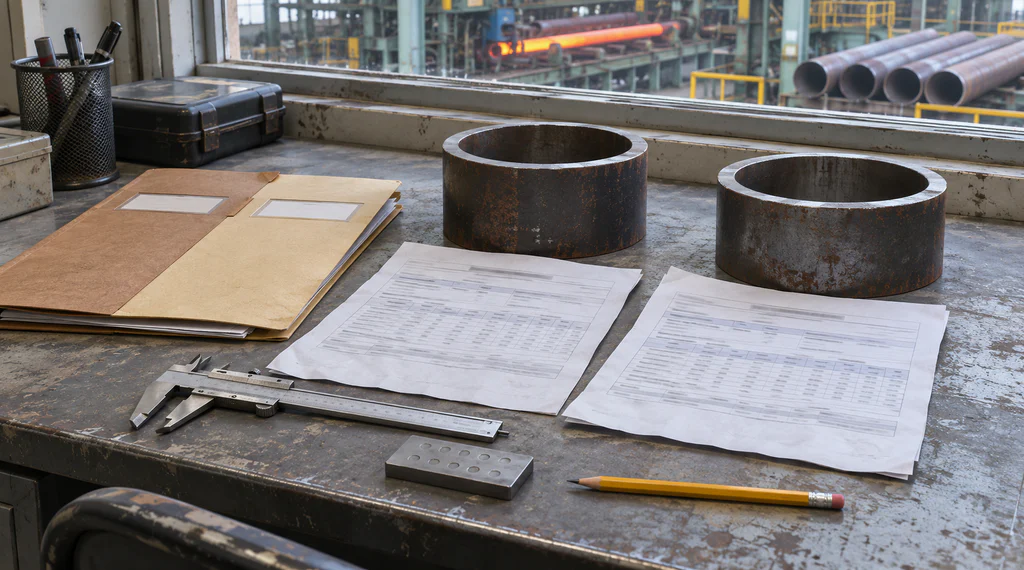
Receiving begins before the truck reaches the site. Assemble the purchase order, approved material schedule, product submittal, packing requirements, inspection and test plan, delivery programme, and any approved deviations. Extract the fields that can be checked at receiving: product standard and edition, grade, manufacturing route, DN or outside diameter, wall thickness, length, end preparation, coating, quantity, heat or batch identification, required marking, and accompanying documents.
The receiving team should know which document controls each characteristic. A catalogue can help identify a product family, but it does not override the order. A certificate can establish a scope, but it does not replace the MTC for a delivered heat. The approved submittal establishes what was accepted for supply, while receiving inspection verifies whether the physical shipment matches that approval. The fire sprinkler pipe submittal checklist explains the earlier document-review stage; the present inspection starts from its approved outcome.
Record Delivery and Packaging Condition Before Unloading
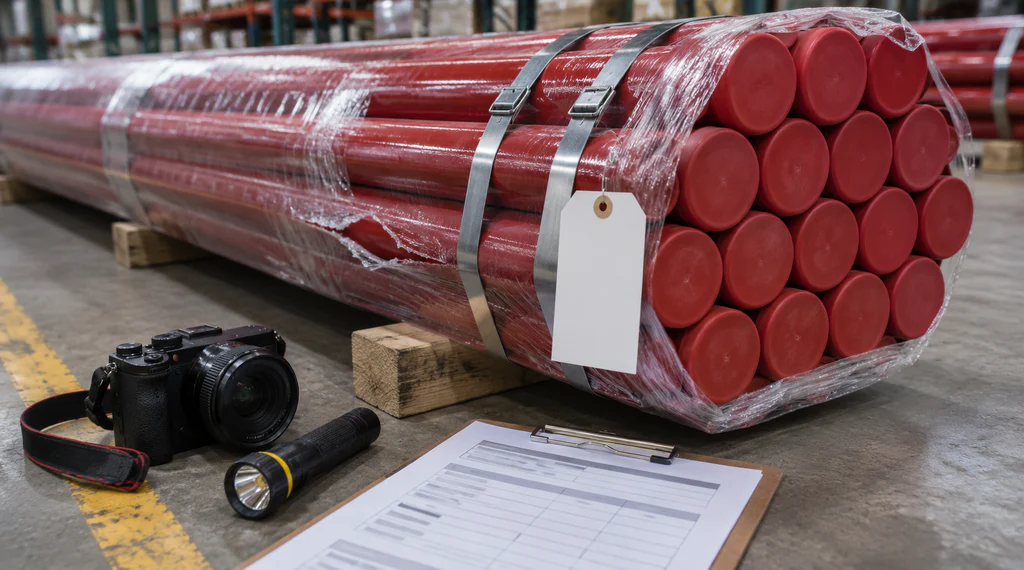
When the vehicle arrives, preserve the shipment’s original condition. Record the carrier, vehicle, arrival time, delivery note, seal information where used, visible bundle numbers, and overall loading arrangement. Photograph broken bands, displaced dunnage, torn wrapping, missing end caps, wet bundles, impact marks, or movement during transit before the load is disturbed. These records help separate transport damage from damage introduced during unloading or storage.
Before unloading begins, compare the observed condition with the agreed packing and handling requirements and decide whether the load can proceed normally, needs controlled unloading for closer inspection, or must remain stopped for a safety or evidence-preservation reason. Note reservations on the delivery record while the carrier is present, identify the affected bundles, and keep photographs tied to bundle numbers. This converts the arrival record into an actionable inspection decision rather than a collection of images.
Reconcile the Delivered Items With the Purchase Order and Packing List
Check Product Types, Sizes, and Quantities
Before examining individual defects, establish what has actually arrived. Compare the purchase-order line, delivery note, packing list, bundle count, pieces per bundle, loose pieces, and total quantity. Confirm that each line describes the same product type, standard, grade, size, length, end finish, and coating. A correct grand total does not close the check if one diameter is short and another is overdelivered.
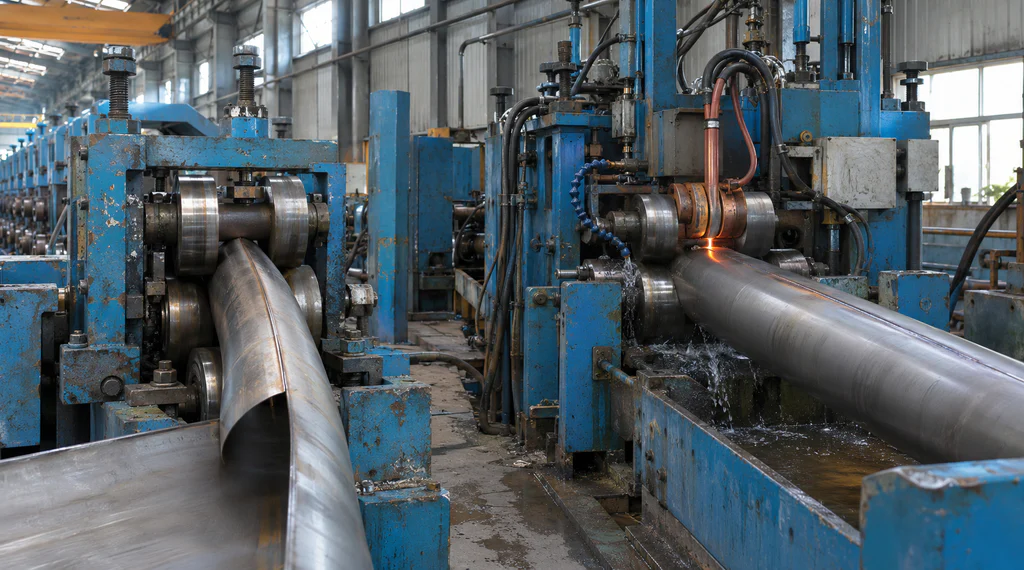
The fire sprinkler pipe range provides welded and seamless product families for international projects, but receiving must use the exact ordered route and specification. A welded item cannot be accepted against a seamless line merely because the dimensions match, and a red finish does not prove that the pipe is the approved fire-protection product.
Separate Different Order Lines and Pipe Batches
Separate each purchase-order line and each heat or production batch in the receiving record before bundles are opened or moved into shared storage. Record the bundle identifier, product description, size, coating, piece count, and linked MTC for every group. When one delivery contains several heats or split quantities, maintain a running balance for each group so that a correct overall quantity cannot hide a missing or mixed batch.
Record Shortages, Overages, and Unexpected Items
Record shortages, overages, unidentified bundles, wrong sizes, loose pieces, and unexpected accessories as distinct findings rather than adjusting the received quantity to match the paperwork. State the affected order line and quantity, place unidentified or incorrect material on hold, and request a corrected packing list or formal disposition. The next traceability check should proceed only with items whose order and batch identity are known.
Match Fire Sprinkler Pipe Markings to the Delivery Documents
Check Bundle Tags and Pipe Markings
Bundle tags support handling, but permanent pipe markings provide the stronger link when bundles are opened or split. Check the manufacturer or mill, product standard, grade, dimensions, manufacturing route where required, heat or batch number, and other project-specified identification. Marking content and method must follow the applicable standard and order; it should remain legible through receiving and controlled storage.
For example, an EN 10217-1 ERW fire fighting pipe may be one valid route when that product standard, grade, dimensions, coating, and approvals match the project. Its product page helps identify a possible supply, but receiving acceptance must come from the order, pipe marking, MTC, and measured condition of the delivered batch.
Trace Heat and Batch Numbers to the MTC
Follow the identity from pipe or bundle to packing list and MTC. The MTC should refer to the correct manufacturer, product, standard, grade, dimensions, heat or batch, quantity, manufacturing route, and reported tests. Results cannot support the shipment if the heat number does not match. Where one bundle contains several heats, the pieces and quantities must be separable and mapped to the appropriate certificates.
Resolve Missing or Conflicting Identification
If a marking is partly illegible, isolate the affected material and seek controlled evidence; do not remark it from memory. If bundle tags and pipe markings conflict, treat the pipe marking, production records, and project traceability procedure as evidence to be reconciled rather than choosing the convenient value. Material whose identity cannot be restored should not be technically released.
Inspect the Physical Condition of the Delivered Pipe
Verify Pipe Dimensions and Length
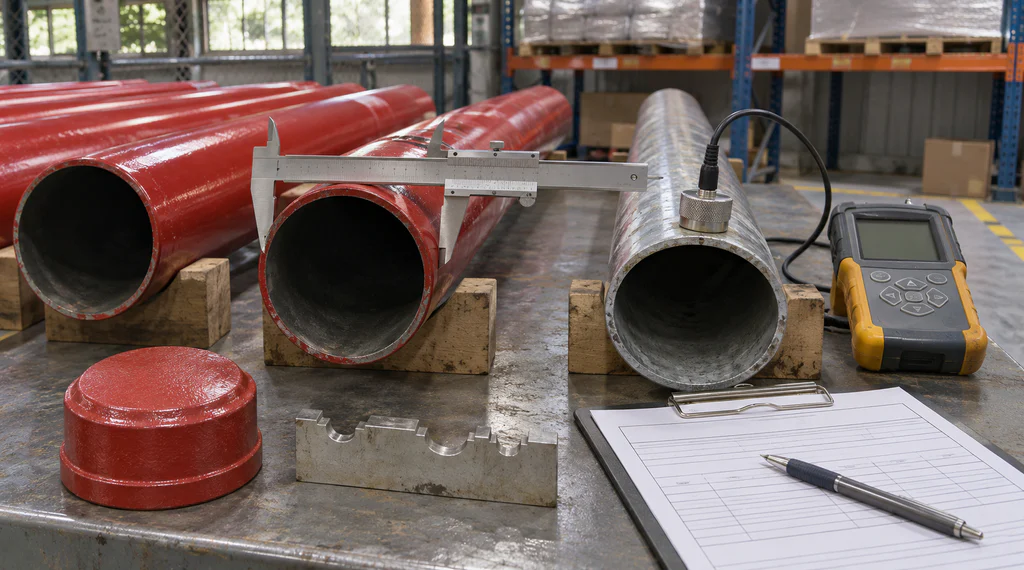
Use calibrated equipment and the project’s sampling plan to check outside diameter, wall thickness, length, straightness, and other specified dimensions. Record actual values rather than only writing “pass.” Measurement locations and acceptance tolerances come from the governing product standard and order. If a result is close to a limit, repeat the measurement with the appropriate method and expand the sample when the ITP requires it.
Inspect Pipe Ends and Connection Preparation
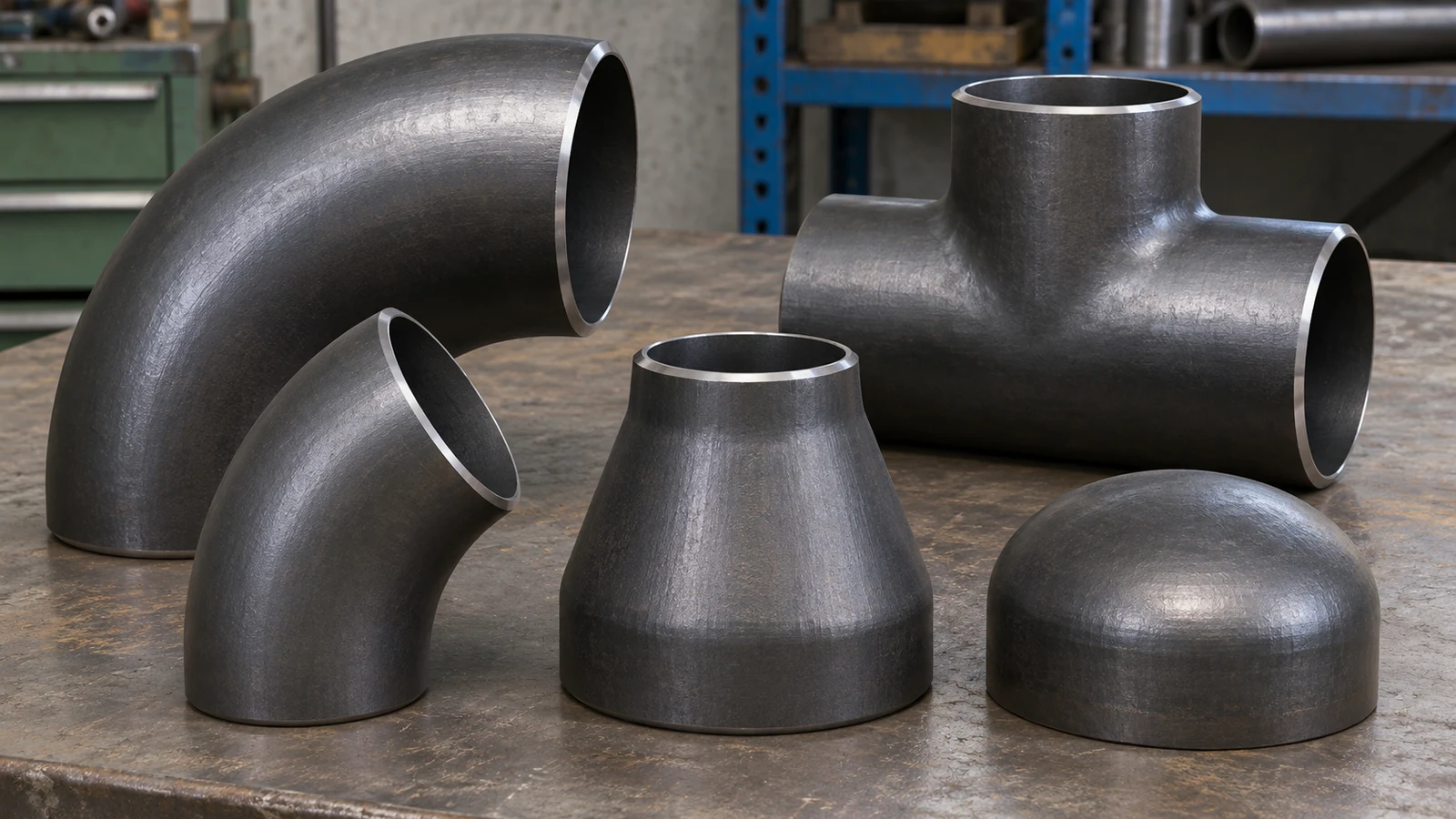
Confirm whether the order requires plain, bevelled, threaded, or grooved ends. Inspect for ovality, dents, laminations, burrs, bevel damage, thread damage, groove deformation, incorrect groove position, and missing end protection. Connection preparation must match the approved fittings and joining method; a correct pipe body does not make an incorrect end acceptable.
Inspect Coating and External Surfaces
Check for dents, gouges, scratches, red rust, white corrosion products on galvanized surfaces, coating holidays, blistering, flaking, contamination, and impact damage. Distinguish superficial packaging marks from defects that expose steel or affect the specified coating system. Colour and gloss are not acceptance criteria by themselves. Any thickness or continuity test should follow the approved coating specification and calibrated method.
Where a seamless route is specified, an EN 10216-1 seamless FBE-coated fire fighting pipe illustrates a possible combination of product standard and surface system. It should not be exchanged with the welded example simply because both can be supplied in similar dimensions. The order, hydraulic and design basis, approval, and batch records control the receiving decision.
Check the Internal Pipe Condition
Use safe access and lighting to check accessible internal surfaces for standing water, mud, debris, excessive rust, oil, coating damage, or foreign objects. Missing caps increase the need for inspection but do not automatically prove contamination. Record the extent and location before cleaning. If water or contamination may affect the pipe or later system cleanliness, isolate the bundle and obtain an approved cleaning, drying, inspection, or rejection decision.
Record Inspection Results Against the Correct Pipe Batch
A receiving inspection has limited value if the report cannot identify the inspected material. Each record should name the purchase-order line, delivery, bundle, heat or batch, inspected quantity, sample size, measurement method, acceptance basis, actual results, photographs, inspector, and date. Defects should have locations and quantities, not only general comments such as “some damage.”
Assign a Receiving Status and Control Nonconforming Pipe
Use clear statuses. Material may be accepted for controlled storage when documents, identity, quantity, specification, and condition satisfy the receiving basis. A minor packaging issue may be accepted with a recorded corrective action when it does not affect product identity or quality and the procedure permits it. Missing evidence, uncertain dimensions, or unresolved identification require a hold. Wrong product, lost traceability, serious damage, or confirmed noncompliance requires an NCR or rejection route.
Physical receipt is not technical release. A site may unload material to clear the vehicle while keeping it in quarantine. Technical release means the material can proceed to its next approved stage, such as storage for installation or fabrication. Final project acceptance may occur later. Using distinct statuses prevents an unloading signature from being mistaken for engineering acceptance.
Site personnel should not approve grade substitution, unverified coating repair, dimensional deviation, or missing batch evidence informally. The authorized party must evaluate the effect, required repair or additional inspection, and final disposition. Mark and physically segregate held or rejected pipe so it cannot be installed accidentally.
Store Accepted Pipe Without Losing Identification or Inspection Status
Store released pipe on suitable supports above the ground, with restraints that prevent rolling and distortion. Protect ends and coatings, provide drainage and ventilation appropriate to the packaging, and avoid conditions that trap water. Segregate products by order line, size, grade, batch, coating, and status. Keep tags visible and transfer identification through any approved bundle split.
Prepare a Traceable Receiving Check With Baolai
Baolai can review the order line, product standard, dimensions, coating, end preparation, marking, packing, MTC, and shipment-document requirements against available fire-protection pipe routes. Providing these inputs before dispatch helps buyers reduce mixed batches, unidentified material, missing records, and receiving delays. Visit Baolai for the wider supply range or submit the project requirements through the fire sprinkler pipe receiving inspection contact route.
Fire Sprinkler Pipe Receiving Inspection FAQs
Can receiving inspection replace installation or commissioning inspection?
No. Receiving inspection confirms the delivered product, identity, quantity, and arrival condition. Installation and commissioning inspections address later work such as joints, supports, flushing, testing, and system operation. Keep their records separate so a delivery release is not mistaken for system acceptance.
When should a third-party inspector attend the delivery inspection?
Attendance is required when the contract, ITP, client, insurer, or approving procedure establishes a witness or hold point. Agree the notice period and inspection scope before dispatch; if mandatory attendance is missed, quarantine the affected material until the authorized party gives a documented disposition.
Can unopened pipe bundles be released without checking individual pipes?
Only when the approved sampling and traceability plan permits it. Bundle tags, packaging, and documents must still match the order, and the selected sample must represent the correct batches. Visible damage, mixed heats, or identification conflicts should trigger expanded inspection or a hold.